English
  Español


DPOWER ELECTRONIC
DPOWER ELECTRONIC
DPOWER ELECTRONIC
DPOWER ELECTRONIC
DPOWER ELECTRONIC
DPOWER ELECTRONIC
Key Factors to Consider When Choosing a 36V Lithium Battery Charger
Content
Jul 20, 2026
Selecting the right 36V Li-charger is a critical decision that directly impacts battery lifespan, safety, and performance. Unlike lead-acid systems, lithium batteries demand precise charging parameters. Using an incorrect or low-quality charger can lead to reduced capacity, permanent cell damage, or even thermal runaway. This guide provides technical insights to help you make an informed choice based on compatibility, charging profiles, and intelligent features.
One of the most overlooked yet essential factors is the actual output voltage of the charger. A battery labeled "36V" typically has a nominal voltage, but its full charge voltage is higher. For a 36V lithium battery, the charger must provide the correct termination voltage to fully charge the cells without overcharging.
Using a charger designed for the wrong chemistry is a common error. For instance, pairing a 36V lead-acid charger with a lithium battery will likely overcharge the cells because lead-acid chargers typically use a higher voltage profile and a "trickle charge" mode that is dangerous for lithium. Always check the charger's specification label for the exact output voltage and verify it matches your battery's requirements.
The current rating, measured in amperes (A), determines how quickly the battery charges. While a higher current reduces downtime, it also generates more heat, which can stress the cells if not managed properly.
A general rule of thumb is to charge at a rate between 0.2C and 0.5C of the battery capacity. For example, a 20Ah battery should ideally be charged with a current between 4A and 10A. Exceeding this range without an advanced Battery Management System (BMS) can accelerate degradation.
The table below illustrates approximate charging times based on a 36V 20Ah battery pack using different charger current ratings:
| Charger Current (A) | Approx. Charging Time (Hours) | Application Suitability |
|---|---|---|
| 2A | 10-12 | Overnight or maintenance charging |
| 5A | 4-5 | Standard daily use for e-bikes and scooters |
| 10A | 2-3 | Fast charging; requires good thermal management |
| 15A+ | <2 | High-performance applications; only if battery supports 0.5C+ rate |
While fast chargers are convenient, they should only be used if the battery's BMS can handle the high current and if the charger includes temperature compensation to prevent overheating.
Modern 36V Li-charger units are not just power supplies; they are sophisticated devices that communicate with the battery. Certain features are non-negotiable for safety and longevity.
A high-quality charger uses a Constant Current (CC) and Constant Voltage (CV) algorithm. During the CC stage, the charger delivers full current until the battery reaches its peak voltage. It then switches to the CV stage, where the voltage is held constant while the current gradually tapers off. This method prevents overcharging and ensures the battery reaches 100% state of charge (SOC) safely.
Look for the following protection features:
Premium chargers feature communication ports (CAN/UART) that allow them to "talk" to the battery's BMS. This integration allows the charger to receive real-time data on cell voltage, temperature, and SOC, enabling it to adjust the charge rate dynamically. This is particularly important for multi-cell packs to ensure proper cell balancing.
Compatibility extends beyond voltage and current; the physical connection matters. Common connector types include XT60, Anderson SB50, and barrel connectors. Ensure the charger's connector matches your battery terminal without the need for makeshift adapters, as these can introduce resistance and heat.
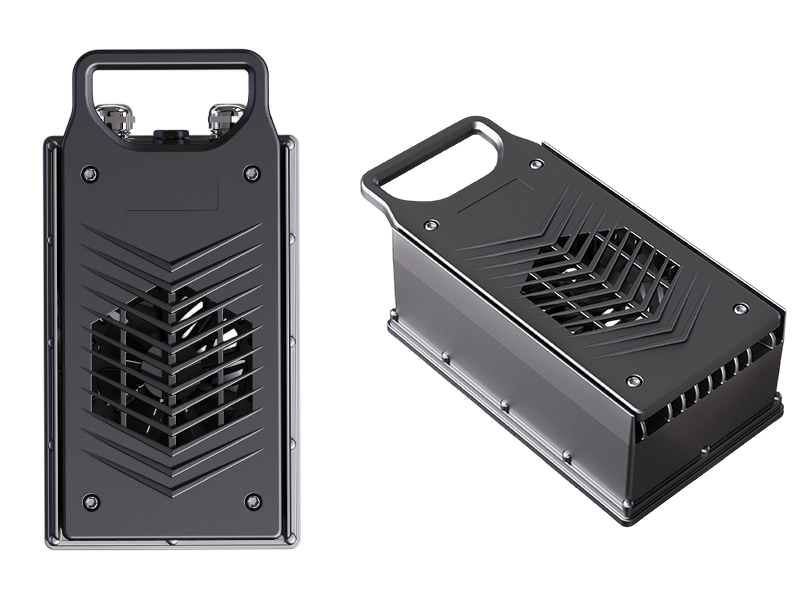
If the charger is used in harsh environments, such as marine applications or outdoor workshops, consider the Ingress Protection (IP) rating. An IP65 or higher rating ensures the charger is dust-tight and protected against water jets, making it suitable for outdoor or onboard installations. Premium chargers also use aluminum alloy housings and conformal-coated PCBs to resist corrosion and physical shock.
Understanding the distinctions between charger types helps narrow down the choice.
| Type | Description | Best Use Case |
|---|---|---|
| Standard (CC) | Provides a steady current and voltage; lacks communication features. | Basic applications where cost is a primary concern and time is not a factor. |
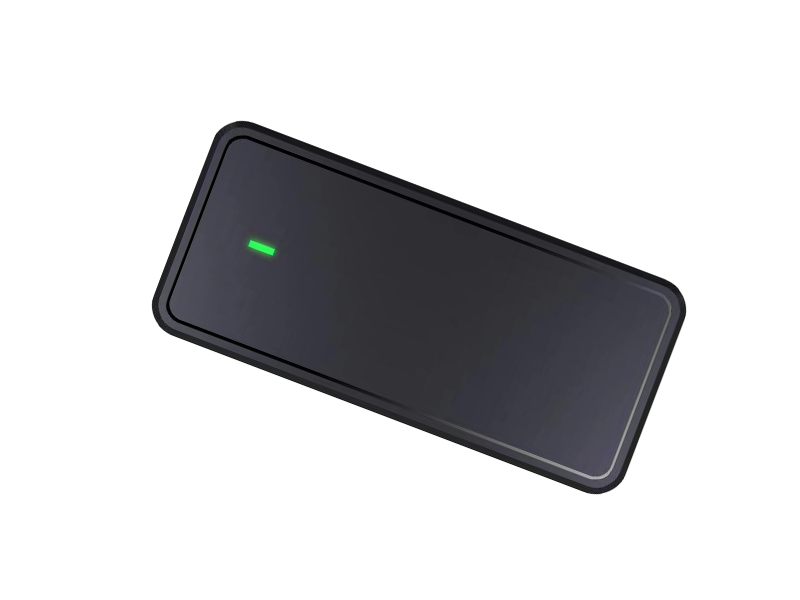
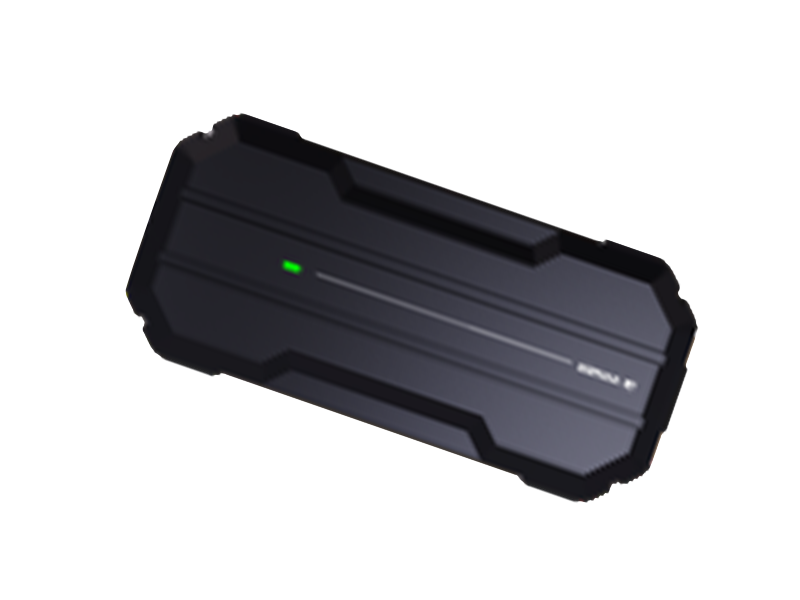
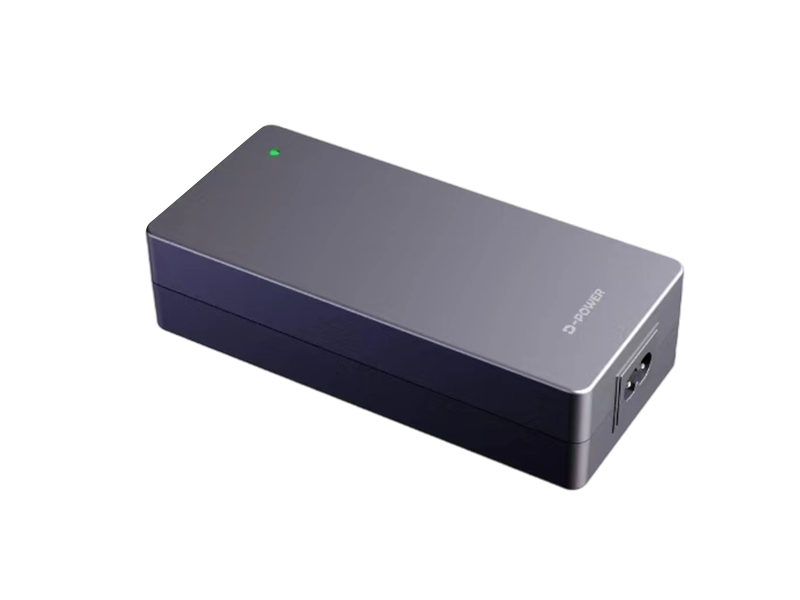
| Smart | Adjusts parameters automatically; often includes LED/display status, protection, and sometimes BMS communication. | Ideal for preserving battery life and maximizing safety. |
| Fast | High current output (e.g., 20A+). Often runs hotter and requires active cooling. | Emergency charging or commercial settings with high turnover. |
For most users, a smart charger represents the best balance of efficiency, safety, and value. The ability to automatically adjust the charging profile ensures that the battery is never stressed unnecessarily.
No. You must use a charger specifically designed for lithium batteries. A charger meant for lead-acid batteries will likely overcharge or undercharge the lithium pack, leading to permanent damage or safety risks.
Technically, a charger labeled "42V" is often the correct charger for a "36V" nominal battery pack. The label typically refers to the maximum output voltage required to fully charge the pack.
The speed depends on the charger's amperage and the battery's allowable charge rate (C-rating). A 10A charger can recharge a 20Ah battery in about 2 hours. However, excessive speed reduces cycle life; it is generally safer to stick to 0.2C to 0.5C rates.
It is generally safe with a smart charger that has automatic shut-off or trickle mode, but it is not recommended as a best practice. Overcharging even a little bit stresses the cells. Always use a charger with overcharge protection if leaving it unattended.
High amperage generates excessive heat. If the heat surpasses the BMS's safety limits or the cell's tolerance, it causes internal degradation, reduces capacity, and may pose a fire hazard.

 No.18-9 Zhang Hong Road ,Huishan District,Yanqiao Street,Wuxi City,Jiangsu Province,China
 +86-510-83138966
 [email protected]
TALK TO US
Copyright © Wuxi Dpower Electronic Co., Ltd. All Rights
Reserved.
Custom Smart Lithium Battery Charger Manufacturer