48V&52V Lithium Battery Charger For Fast Charging: Technical Excellence and Industry Applications
Market Landscape: The Surge of 48V Electrification
The global 48V battery system market has reached 5.51 billion USD in 2025 and is projected to escalate to 13.79 billion USD by 2034, representing a robust compound annual growth rate of 25.8%. This explosive expansion is fundamentally reshaping the landscape of light electric vehicles, portable energy storage, and industrial automation equipment. The industrial charger segment specifically is anticipated to grow from 2.735 billion USD in 2026 to 6.184 billion USD by 2036, underscoring the critical infrastructure role that charging technology plays in the electrification ecosystem.
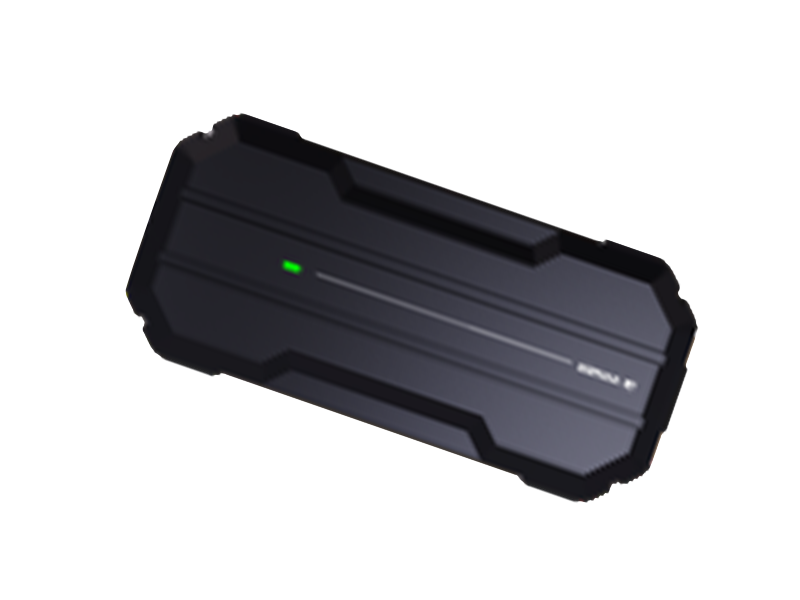
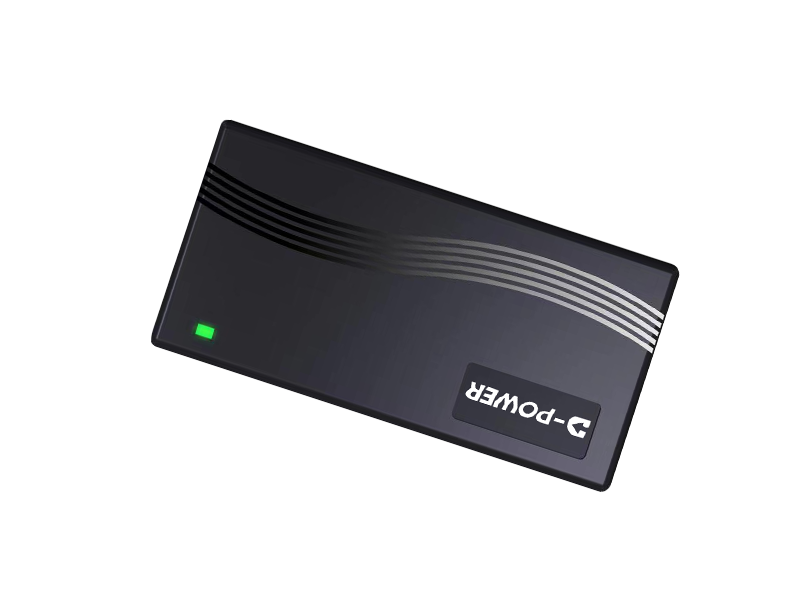
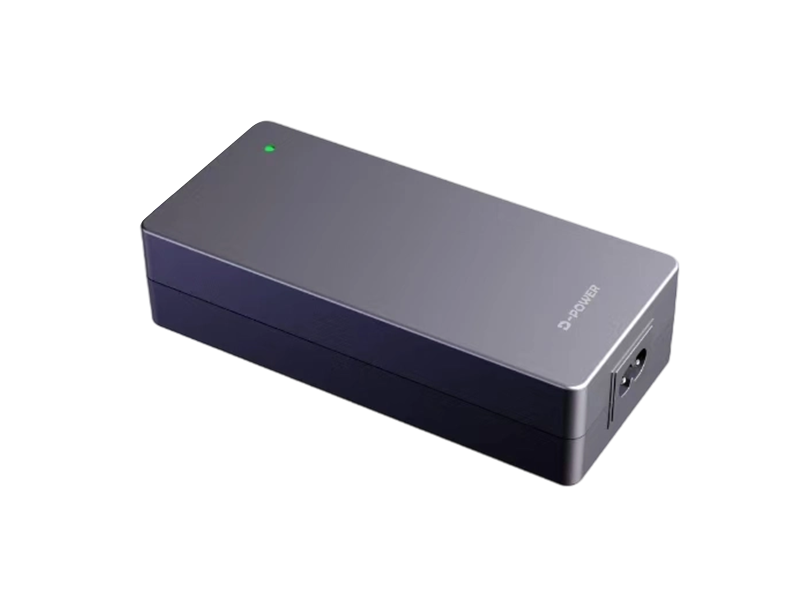
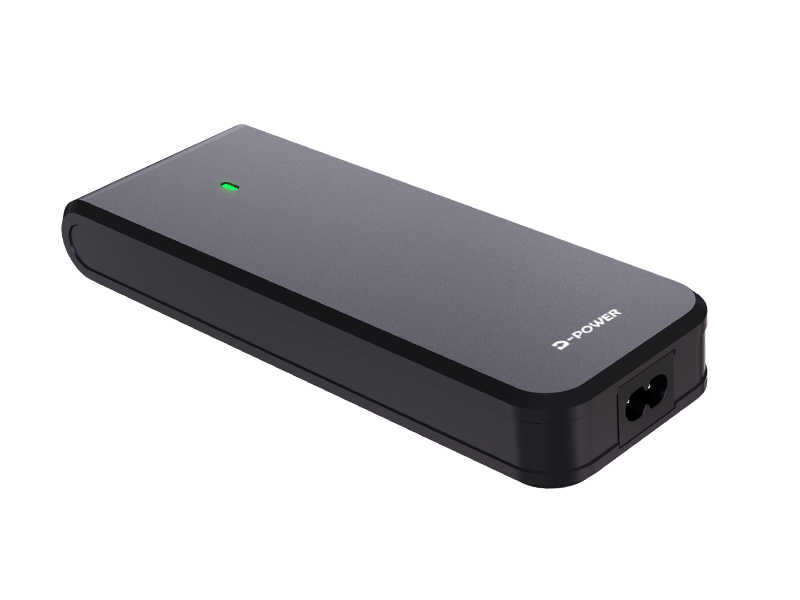
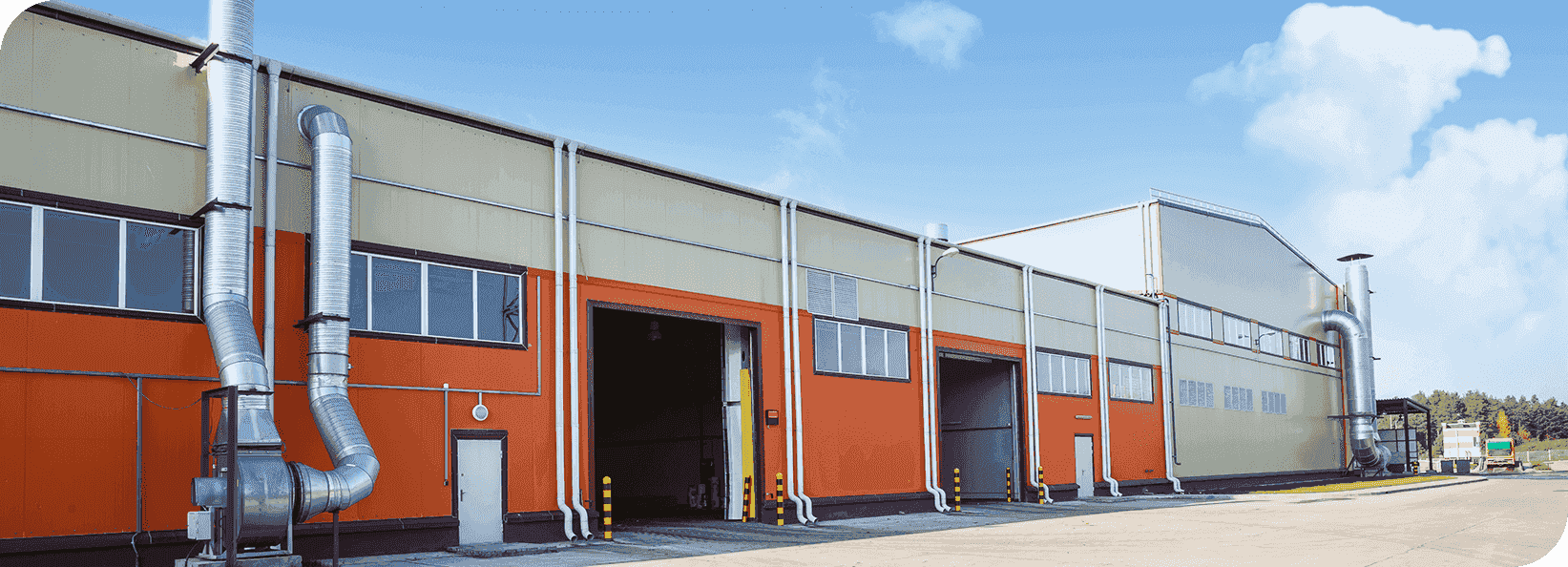
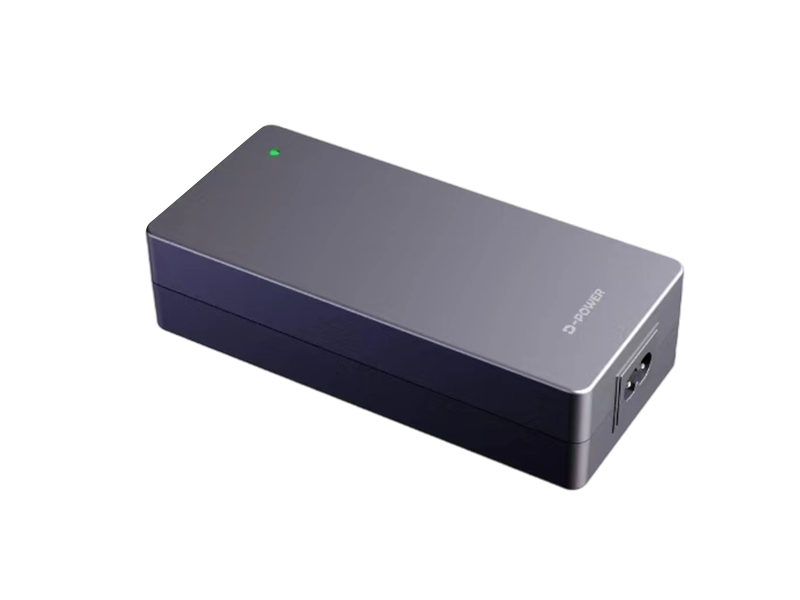
Within this dynamic environment, 48V&52V Lithium Battery Charger For Fast Charging has emerged as the technical cornerstone for manufacturers seeking to balance performance, safety, and cost-effectiveness. Wuxi Dpower Electronic Co., Ltd., established in 2014 near the scenic Taihu Lake with strategic proximity to Shanghai (100km) and Suzhou (30km), has positioned itself at the forefront of this technological transformation, leveraging over a decade of expertise in high-end lithium battery charger development.
Technical Architecture: Why 48V and 52V Represent the Optimal Voltage Platform
The Physics of Voltage Selection
The 48V and 52V platforms have become the industry sweet spot for light electric mobility applications. This voltage range delivers three critical advantages:
- Power Density Optimization: Supports 10A fast charging currents without excessive weight penalties, enabling practical portable designs
- Safety Threshold Compliance: Operates below the 60V safety voltage limitation established by international electrical safety standards, significantly reducing electrocution risks
- Chemical System Versatility: Accommodates both Li-ion and LiFePO4 battery chemistries through intelligent automatic identification
Fast Charging Dynamics and Battery Longevity
High-rate charging introduces complex electrochemical challenges. When charging currents exceed optimal levels, lithium plating occurs on the anode surface, creating dendritic structures that may penetrate separator membranes and trigger internal short circuits. Additionally, thermal runaway risks escalate when heat generation exceeds dissipation capacity, potentially initiating decomposition reactions at temperatures exceeding 130 degrees Celsius.
Wuxi Dpower Electronic addresses these challenges through a sophisticated three-stage intelligent charging curve:
| Charging Stage |
Current/Voltage Profile |
SOC Range |
Technical Function |
| Constant Current Fast Charge |
10A maximum current |
0% to 80% |
Rapid energy replenishment with active thermal monitoring |
| Constant Voltage Equalization |
Voltage stabilization with current tapering |
80% to 90% |
Cell balancing and voltage equalization across the battery pack |
| Trickle Maintenance Mode |
Micro-current float charging |
90% to 100% |
Capacity saturation without overcharging stress |
This architecture extends battery cycle life by over 30% compared to conventional charging methodologies, transforming the operational economics for commercial fleet operators and individual consumers alike.
Safety Engineering: Beyond Compliance to Predictive Protection
Contemporary lithium battery chargers must satisfy stringent international standards, including IEC 62133 for portable battery safety, UL 2580 for electric vehicle battery pack integrity, and UN/DOT 38.3 for transportation safety testing. However, passive compliance with established standards represents merely the baseline requirement. True safety leadership demands proactive risk mitigation systems capable of responding to dynamic operational conditions.
Wuxi Dpower Electronic has engineered a comprehensive nine-layer safety protection architecture that transitions from reactive response to predictive prevention:
| Protection Layer |
Technical Implementation |
Trigger Threshold |
Response Latency |
| Overvoltage Protection |
Precision voltage sampling with comparator circuits |
Greater than 58.8V |
Less than 10 milliseconds |
| Overcurrent Protection |
Hall sensor real-time monitoring |
Greater than 12A |
Less than 5 milliseconds |
| Overtemperature Protection |
NTC multi-point temperature sensing |
Greater than 60 degrees Celsius |
Immediate circuit interruption |
| Short Circuit Protection |
Intelligent fuse coordination with software shutdown |
Impedance below 0.1ohmsm |
Less than 1 millisecond |
| Reverse Polarity Protection |
MOSFET polarity detection |
Negative voltage detection |
Zero delay response |
| Overcharge Protection |
SOC algorithmic prediction |
100% SOC achievement |
Automatic trickle mode transition |
| Undervoltage Protection |
Battery health diagnostic system |
Below 42V |
Alarm notification activation |
| Lightning Surge Protection |
Varistor and gas discharge tube array |
Greater than 2kV surge |
Nanosecond-level suppression |
| Electrostatic Discharge Protection |
ESD protection device integration |
Plus or minus 8kV contact discharge |
Instantaneous dissipation |
The flame-retardant ABS plus PC composite housing further enhances physical durability, successfully withstanding 1.5-meter drop testing and resisting aging degradation across extended operational lifespans.
Energy Efficiency Innovation: 92% Conversion Rate Achievement
Traditional battery chargers typically achieve energy conversion rates of approximately 85%, with the remaining 15% dissipated as thermal energy. This inefficiency creates a dual penalty: wasted electrical energy and accelerated component degradation due to elevated operating temperatures.
Wuxi Dpower Electronic has implemented next-generation switching power technology combined with synchronous rectification solutions to achieve an industry-leading 92% conversion efficiency. The performance metrics demonstrate substantial operational advantages:
- Standby Power Consumption: 0.3W, significantly below the national Level 1 standard of 1W, resulting in annual standby energy consumption of merely 2.6 kilowatt-hours
- Charging Loss Reduction: For a standard 48V20Ah battery, conventional chargers dissipate 1.2kWh as waste heat, whereas this advanced design limits losses to 0.4 kWh.Wh.
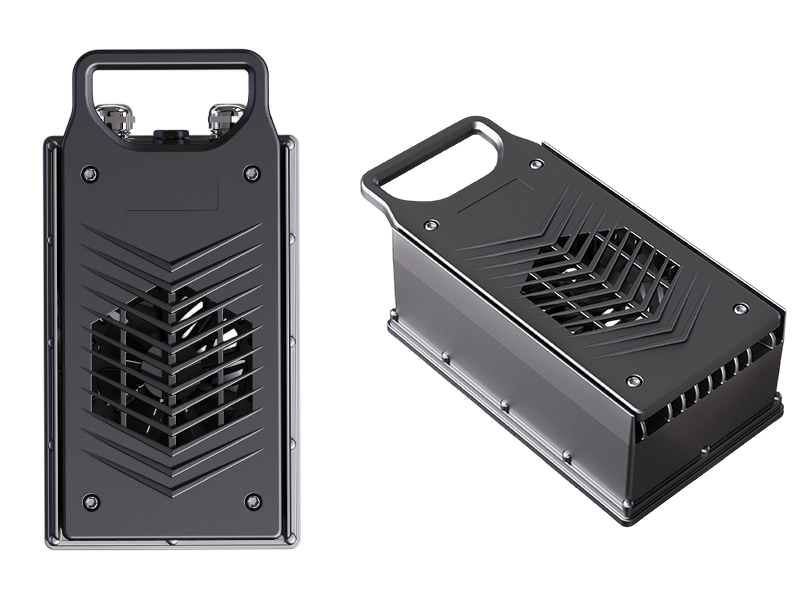
- Thermal Management Optimization: High efficiency translates to minimal heat generation, eliminating the need for active cooling fans and enabling zero-noise operation
These efficiency gains translate directly into cost savings for commercial operators while contributing to broader sustainability objectives through reduced energy consumption.
Application Scenarios and Operational Benefits
Urban Commuter Electric Bicycles
Urban professionals face constrained charging opportunities due to limited residential charging infrastructure. The 2.5-hour fast charging capability enables complete battery replenishment during standard lunch breaks. The intelligent chip automatically identifies battery chemistry types, preventing damage from mixed charging scenarios common in shared mobility environments.
Commercial Delivery Fleets
High-frequency utilization patterns in food delivery and logistics services accelerate battery degradation and increase replacement costs. The trickle maintenance mode extends battery service life by over 30%, generating annual savings of approximately 800 RMB per vehicle in battery replacement expenses when calculated at 1.5 charging cycles daily.
Outdoor Portable Energy Storage
Camping enthusiasts and emergency preparedness users require reliable power restoration in diverse environments. The 110-240V universal voltage input accommodates global power standards, while the IP54 protection rating ensures operational integrity in challenging weather conditions. Strategic placement near the Wuxi North highway exit (1km distance) enables efficient logistics distribution to international markets.
Industrial Automation Guided Vehicles
Automated Guided Vehicles operating in manufacturing facilities demand consistent performance across temperature extremes. The operational stability range of negative 10 degrees Celsius to 45 degrees Celsius ensures no efficiency degradation in cold storage facilities or high-temperature production environments, maintaining production line continuity.
Manufacturing Excellence and Quality Assurance
Wuxi Dpower Electronic Co., Ltd. operates from its strategic location near Taihu Lake, leveraging the rich industrial resources of the Yangtze River Delta economic zone. The company's manufacturing protocols integrate:
- OEM/ODM Customization Capabilities: Flexible production systems accommodating specific client requirements for voltage profiles, connector configurations, and housing designs
- Comprehensive Testing Protocols: Environmental chamber testing validating performance across the full temperature range, vibration testing for mobile applications, and accelerated life cycle testing
- Supply Chain Integration: Proximity to Shanghai (100km) and Suzhou (30km) facilitates access to premium electronic components and efficient export logistics
The company's evolution from 24V lithium battery charger specialization to the current 48V and 52V52V platform dominance reflects continuous technical innovation responsive to market demands.
FAQ
Can I use a 48V charger on a 52V battery or vice versa?
Voltage compatibility between 48V and 52V systems requires careful technical consideration. A 48V charger typically delivers a maximum output voltage of approximately 54.6V for Li-ion chemistry or 58.4V for LiFePO4, while a 52V system requires charging voltages around 58.8V for Li-ion configurations. Using a 48V charger on a 52V battery will result in chronic undercharging, limiting capacity utilization to approximately 80% and creating cell imbalance over time. Conversely, applying a 52V charger to a 48V battery risks overvoltage conditions that trigger protection systems or, in extreme cases, compromise battery safety.
Wuxi Dpower Electronic's 48V&52V Lithium Battery Charger For Fast Charging integrates intelligent voltage identification circuitry that automatically detects connected battery voltage requirements and adjusts output parameters accordingly. This automatic adaptation eliminates manual configuration errors and ensures optimal charging performance across both voltage platforms without operator intervention.
Does 10A fast charging damage the lithium battery's lifespan?
The relationship between charging current and battery longevity involves complex electrochemical interactions. High-current charging accelerates lithium-ion intercalation rates at the anode, potentially causing lithium plating when ion transport through the electrolyte cannot match the insertion rate. This metallic lithium deposition reduces available capacity and creates dendritic structures that compromise cell safety.
However, damage susceptibility correlates strongly with charge termination protocols rather than current magnitude alone. The critical factor is the transition methodology from high-current bulk charging to saturation charging. Wui Dpower Electronics' implementation of three-stage intelligent charging with automatic transition to trickle maintenance mode at 90% state of charge mitigates these degradation mechanisms. By reducing current magnitude during the high-stress saturation phase, the system delivers fast charging convenience while extending cycle life by over 30% compared to conventional constant-current chargers.
For typical 48V20Ah battery configurations, the 10A charging rate represents a 0.5C charge rate, well within the safe operating envelope for modern lithium-ion and LiFePO4 chemistries when properly managed by sophisticated battery management systems.
What safety certifications should a quality 48V lithium battery charger possess?
International safety certification requirements vary by application and market region, but comprehensive quality assurance typically encompasses multiple standards:
- IEC 62133: Specifies safety requirements for secondary lithium cells and batteries used in portable applications, including electrical, thermal, and mechanical abuse testing
- UL 2580: Addresses battery pack safety for electric vehicle applications, evaluating performance under abusive conditions, including crush, penetration, and thermal exposure
- UN/DOT 38.3: Mandates transportation safety testing for lithium batteries, including altitude simulation, thermal cycling, vibration, shock, and short circuit evaluations
- CE Marking: Indicates conformity with European health, safety, and environmental protection standards for products sold within the European Economic Area.
- RoHS Compliance: Restricts hazardous substance usage in electrical and electronic equipment manufacturing
Wuxi Dpower Electronic maintains comprehensive certification portfolios for its 48V and 52V Lithium Battery Charger for Fast Charging product line, ensuring market access across North American, European, and Asian regulatory environments. The nine-layer protection system exceeds baseline certification requirements, providing redundant safety margins for critical applications.
How does temperature affect 48V lithium battery charging performance?
Temperature significantly influences lithium battery charging efficiency and safety across multiple dimensions. At low temperatures (below 0 degrees Celsius), electrolyte conductivity decreases, lithium-ion diffusion rates slow, and charge acceptance capacity diminishes. Attempting high-rate charging in cold conditions exacerbates lithium plating risks and can cause permanent capacity loss.
At elevated temperatures (above 45 degrees Celsius), exothermic reaction rates increase, separator integrity maybe compromisede, and thermal runaway probability escalates. High-temperature charging accelerates calendar aging and electrolyte decomposition even when thermal runaway is avoided.
Wuxi Dpower Electronics' charger design incorporates multi-point NTC temperature sensing with operational parameters validated across the full range of negative 10 degrees Celsius to 45 degrees Celsius. The protection system automatically suspends charging when internal temperatures exceed 60 degrees Celsius, resuming only when safe thermal conditions are restored. For extreme environment applications, the ABS plus PC composite housing maintains structural integrity and electrical insulation properties across this temperature spectrum, ensuring reliable operation in uncontrolled outdoor installations.
What is the difference between 48V lithium-ion and LiFePO4 battery charging requirements?
While both chemistries operate at nominal 48V configurations, their charging voltage profiles and termination criteria differ substantially:
| Parameter |
48V Li-ion (NMC/NCA) |
48V LiFePO4 (LFP) |
| Nominal Voltage |
48.0V (13S configuration) |
48.0V (15S or 16S configuration) |
| Full Charge Voltage |
54.6V (4.2V per cell) |
58.4V (3.65V per cell) or 54.75V |
| Charge Termination |
Taper current to 0.05C |
Taper current to 0.02C or fixed timer |
| Trickle Charge |
Not recommended |
Acceptable for maintenance |
| Temperature Sensitivity |
Moderate |
Lower (more tolerant) |
Applying incorrect voltage profiles results in severe consequences: undercharging LiFePO4 batteries with Li-ion voltages yields only 70-80% capacity utilization, while overcharging Li-ion batteries with LiFePO4 voltages creates immediate safety hazards, including thermal runaway.
The 48V&52V Lithium Battery Charger For Fast Charging from Wuxi Dpower Electronic incorporates automatic chemistry identification algorithms that detect connected battery types through voltage response characteristics during initial connection. This eliminates manual mode selection requirements and prevents catastrophic misconfiguration errors, particularly valuable in multi-device environments where battery chemistries may vary.
How much electricity does a 48V lithium battery charger consume when not actively charging?
Standby power consumption represents a frequently overlooked operational cost factor. Conventional battery chargers often draw 1-3 watts continuously when connected to AC power but not charging batteries, resulting in annual energy waste of 8.7 to 26.3 kilowatt-hours per unit.
Wuxi DpowerElectronics's implementation of advanced switching power technology achieves 0.3W standby power consumption, approximately 70% below the national Level 1 efficiency standard threshold of 1W. For a typical residential user, this translates to annual standby energy usage of merely 2.6 kilowatt-hours, generating cost savings of 15-40 RMB annually depending on local electricity rates. For commercial fleet operators managing hundreds of charging stations, these efficiencies compound into substantial operational cost reductions while supporting corporate sustainability objectives.
The ultra-low standby consumption also minimizes thermal generation during idle periods, reducing component thermal cycling stress and extending charger operational lifespan beyond conventional designs.
What charging time should I expect for a 48V 20Ah battery with a 10A fast charger?
Charging time calculations must account for the non-linear charging curve characteristic of lithium battery systems. While simple arithmetic suggests 2 hours for a 20Ah battery at 10A charging current (20Ah divided by 10A), actual charging duration extends longer due to the constant voltage phase requirements.
The three-stage charging process operates as follows:
- Bulk Charging Phase (0-80% SOC): Full 10A current delivery requires approximately 1.6 hours to reach 80% capacity
- Absorption Phase (80-90% SOC): Current tapering while maintaining voltage extends this phase to approximately 0.6 hours
- Saturation Phase (90-100% SOC): Trickle current completion adds approximately 0.3 hours
Total charging time for a depleted 48V20Ah battery typically reaches 2.5 hours, compared to 4-6 hours required by conventional 3-5A chargers. This 50-60% time reduction enables multiple charging cycles during operational shifts for commercial applications, or convenient opportunity charging for residential users.
The extended absorption and saturation phases, while adding time, are essential for cell balancing and capacity maximization. Terminating charging immediately upon reaching bulk phase limits, usable capacity, and accelerates cell degradation through imbalance accumulation.


 English
  Español



 Watch Our Video

 No.18-9 Zhang Hong Road ,Huishan District,Yanqiao Street,Wuxi City,Jiangsu Province,China
 +86-510-83138966
