DPOWER ELECTRONIC DPOWER ELECTRONIC DPOWER ELECTRONIC DPOWER ELECTRONIC DPOWER ELECTRONIC DPOWER ELECTRONIC

Custom 24V Lithium Battery Charger

crumbs Home / Products / 24V Charger / 24V Lithium Battery Charger
Be the First to Know!
SUBMIT

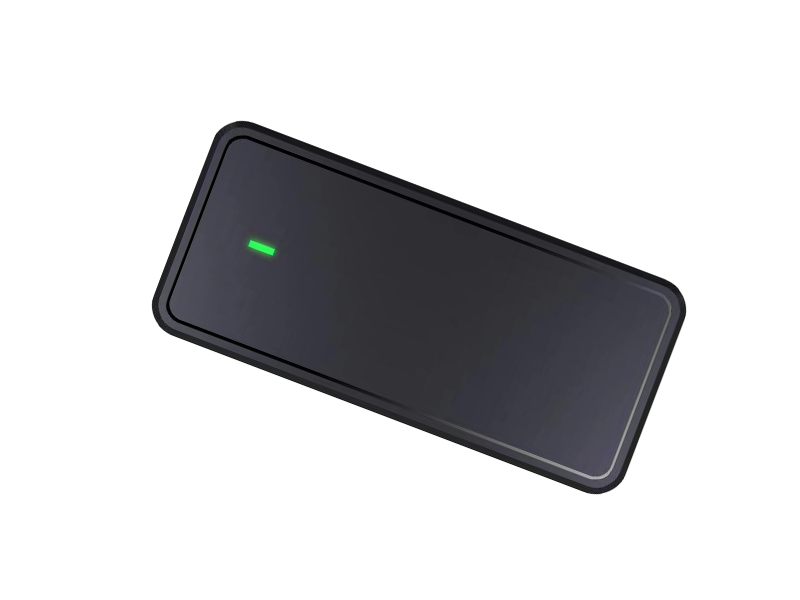
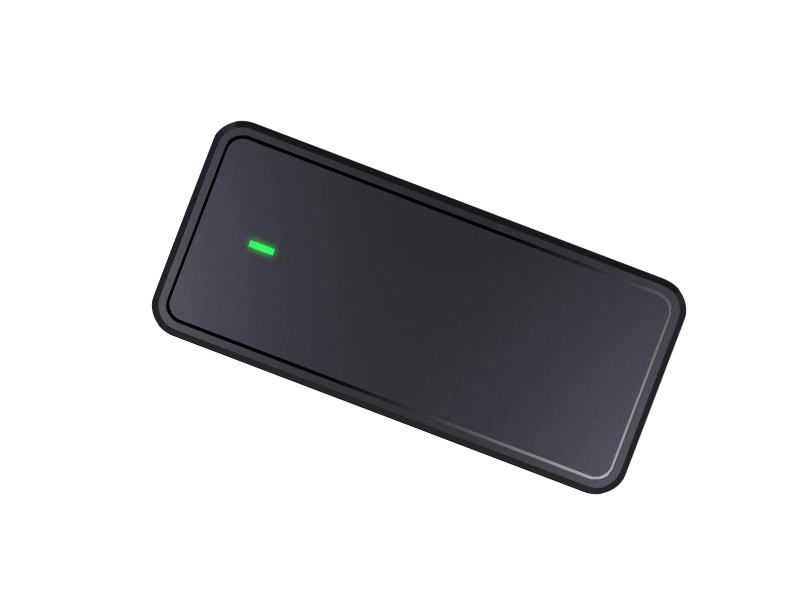
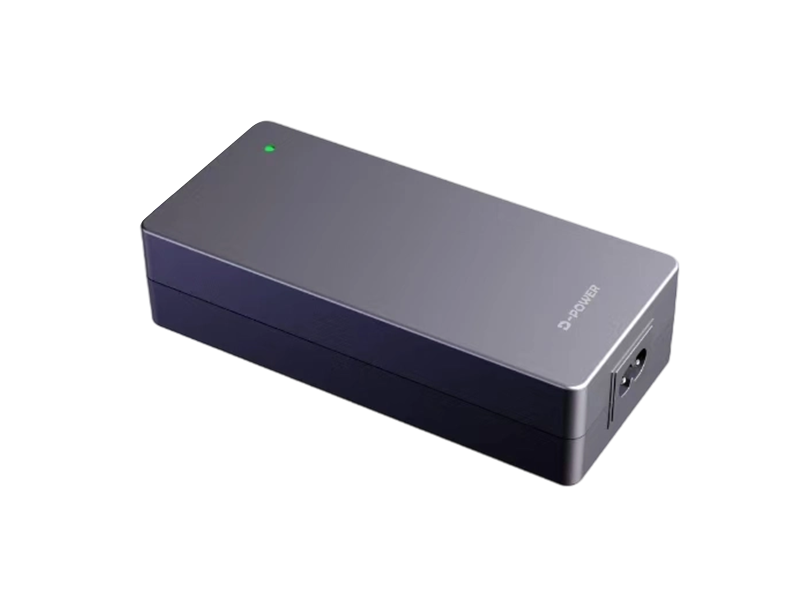
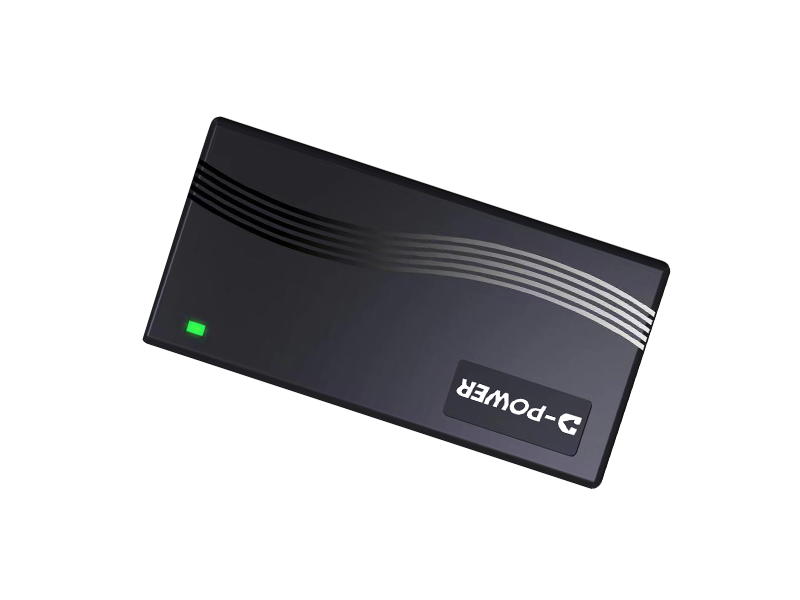
24V Lithium Battery Charger

Usage:

24V is a relatively low voltage charger, with a nominal voltage of 29.4V. It is generally suitable for scooters, ebikes, foldable ebikes, and some other suitable power tools. Dpower 24V chargers can be customized with communication protocols such as CAN BUS, and we also have our own protocols for customers to choose.

Lasting Durability:

Our chargers are quality-tested and durable, built to withstand extreme conditions. They're perfect for cycling and outdoor adventures. Designed for long-distance charging, they provide a long-lasting charging solution you can trust on every ride.

Support various communication protocols:

Supports multiple communication requirements. Automatically adjusts charging parameters, optimizes charging efficiency, and makes operation more convenient.

Product Information

Model

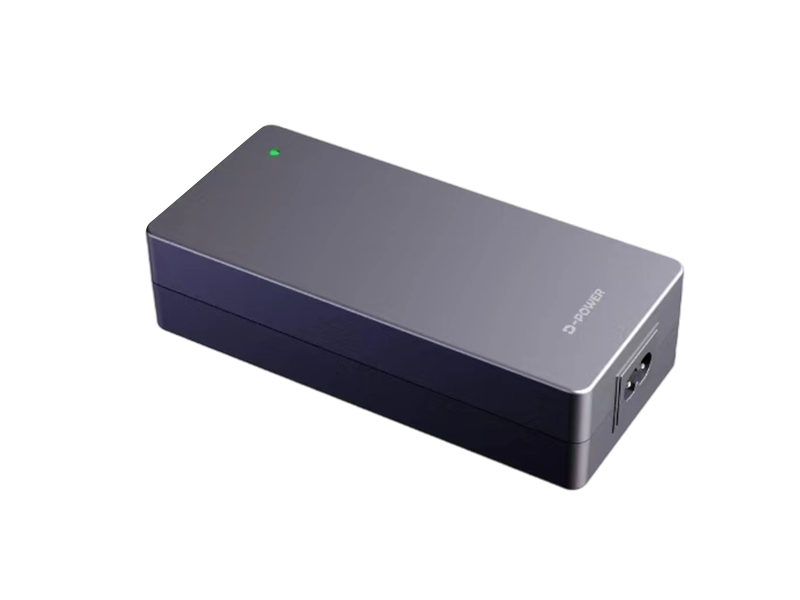
GPLC058V29Y

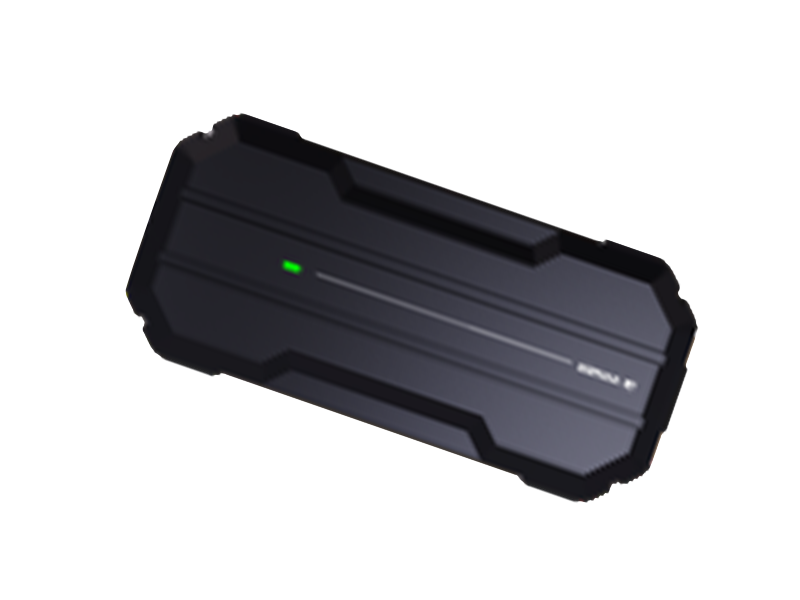
DPLC088V29-W

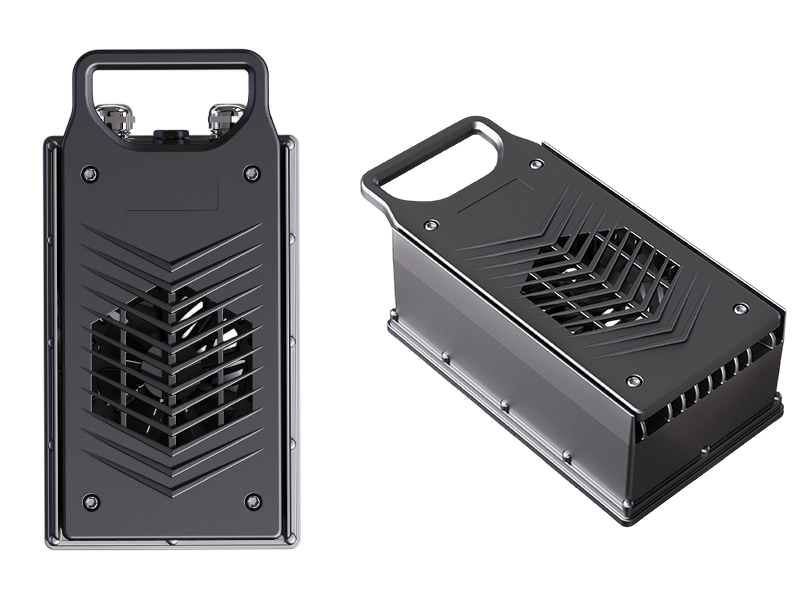
DPLC088V29Y

Picture


Input Volt.

110-240V

110-240V

110-240V

Output Volt.

29.4V

29.4V

29.4V

Output Current

2A

3A

3A

Size

155*70*35mm

167*76.4*37mm

170*85*45mm

Effciency

≥85%

≥88%

≥87%

Cooling

Natural

Natural

Natural

titleWho we are
YOUR CHARGING EXPERT
Wuxi Dpower Electronic Co., Ltd. was founded in 2014 near the scenic Taihu Lake, just 1 km from the Wuxi North highway exit — about 100 km from Shanghai and 30 km from Suzhou. We are a China Custom 24V Lithium Battery Charger Manufacturer and OEM/ODM 24V Lithium Battery Charger Company. With convenient transportation and rich industrial resources, the company focuses on the development and production of high-end lithium battery chargers and power supplies, widely used in e-bikes, drones, tools, scooters, and AGVs.
play Watch Our Video

Latest Updates

  • What Makes a 48V&52V Lithium Battery Charger Suitable for Fas...
    Lithium batteries power many modern devices, from electric bicycles to drones. A 48V&52V Lithium Battery Charger for Fast Charging is a critical tool for users who need quick turnaround times. Choosing the right charger improves performance and extends battery life. This article explains how to ...

    Apr 15, 2026

  • Why Does Your 36V Li-Charger Fail?
    A 36V Li-Charger Outputs Exactly 42 Volts A 36V Li-charger does not actually push 36 volts into your battery. The device delivers exactly 42.0 volts to fill a 10-cell lithium pack completely. Lithium-ion cells reach their maximum safe capacity at 4.2 volts per cell. You need this specific voltage t...

    Apr 10, 2026

  • 24V Lithium Battery Charger: Voltage Settings and Smart Featu...
    The Direct Answer: What Settings and Specifications Define a 24V Lithium Battery Charger A 24V lithium battery charger is not a generic power supply. It is a precision device that must deliver a specific charging profile known as Constant Current/Constant Voltage (CC/CV). For a standard 24V LiFePO4...

    Apr 03, 2026

24V Charger Industry knowledge

Understanding the Essentials of the 24V Lithium Battery Charger

In the rapidly evolving landscape of electric mobility and portable power solutions, the role of a reliable charging system cannot be overstated. As devices become more sophisticated, the demand for precise, safe, and efficient power delivery increases. A 24V Lithium Battery Charger represents a critical component in this ecosystem, bridging the gap between AC power sources and the high-energy demands of modern lithium-ion battery packs. Unlike their lead-acid predecessors, lithium batteries require precise voltage and current regulation to ensure longevity and safety, making the quality of the charger paramount for end-users and manufacturers alike.

Defining Voltage Parameters and Application Scenarios

When discussing voltage specifications, it is crucial to distinguish between nominal voltage and charging voltage. A standard 24V Lithium Battery Charger typically operates with a nominal voltage of 24V but requires an output voltage of approximately 29.4V to fully charge a 7-series (7S) lithium-ion battery pack. This specific voltage requirement makes these chargers ideal for a variety of light electric vehicles and power tools that prioritize a balance between weight and power density.

  • Electric Scooters and Mopeds: Providing the necessary energy density for urban commuting without the bulk of higher voltage systems.
  • E-bikes and Foldable E-bikes: Ensuring lightweight and portable power solutions that enhance the user experience for daily travel and outdoor recreation.
  • Power Tools: Delivering consistent power for professional-grade equipment that relies on 24V platforms for optimal torque and runtime.

The Role of Durability in Power Supply Design

Durability is not merely a feature but a necessity for chargers operating in real-world environments. A high-quality 24V Lithium Battery Charger is engineered to withstand extreme conditions, ranging from high humidity to significant temperature fluctuations. For cycling enthusiasts and outdoor adventurers, the equipment must function flawlessly whether it is plugged into a garage or at a remote campsite. Robust design principles ensure that the internal circuitry is protected against vibration and shock, common occurrences when chargers are transported alongside e-bikes or tools.

Manufacturers prioritize rigorous quality testing to simulate these stressful environments. By subjecting units to drop tests, thermal cycling, and prolonged load testing, engineers ensure that the charging solution is not only efficient but also a long-lasting investment. This focus on endurance builds trust, assuring users that their power supply will perform reliably on every ride, regardless of the terrain or weather conditions.

  • Weather Resistance: Protection against moisture and dust ingress to maintain performance in outdoor settings.
  • Thermal Management: Advanced cooling designs that prevent overheating during long-distance charging cycles.
  • Vibration Resistance: Reinforced internal components designed to handle the rigors of travel and off-road usage.

Comparing Charger Types: Standard vs. Smart Communication

The evolution of battery technology has necessitated a shift from simple voltage-based charging to intelligent, communication-based charging. While a standard 24V Lithium Battery Charger functions adequately for basic needs, the integration of communication protocols marks a significant advancement in battery management. Standard chargers typically rely on a predefined curve, stopping when voltage limits are reached. However, they lack the ability to assess the battery's internal health or temperature in real-time.

In contrast, smart chargers equipped with communication protocols allow for a continuous dialogue between the battery management system (BMS) and the power supply. This interaction facilitates automatic adjustments to charging parameters, optimizing efficiency and extending the overall lifespan of the battery pack. The choice between these two types often depends on the specific application and the value placed on battery longevity and user convenience.

Feature Standard Charger Smart Charger (Communication Enabled)
Charging Logic Fixed voltage/current curve Dynamic adjustment via BMS communication
Battery Health Monitoring Basic (Voltage-based) Advanced (Temperature, SOC, SOH data)
Safety Mechanism Hardware protection only Software and hardware double protection
Efficiency Standard efficiency Optimized efficiency with reduced heat generation

Advanced Communication Protocols for Modern Needs

For OEMs and advanced users, the ability to customize charging behavior is a distinct advantage. A sophisticated 24V Lithium Battery Charger supports various communication protocols, such as CAN BUS, which is widely used in automotive and industrial applications for its robustness and error-handling capabilities. This allows the charger to handshake with the battery, ensuring that charging only commences when safety parameters are met.

  • CAN BUS Integration: Facilitates real-time data exchange for precise current and voltage control.
  • Proprietary Protocols: Some manufacturers offer unique protocols tailored to specific battery chemistries or application needs, providing flexibility for custom projects.
  • Automatic Parameter Adjustment: The charger autonomously modifies its output based on feedback, preventing overcharging and thermal runaway.

FAQ

How do I know if a 24V Lithium Battery Charger is compatible with my battery?

Compatibility goes beyond simply matching the voltage label on the sticker. While a 24V Lithium Battery Charger generally corresponds to a 7S lithium-ion pack, you must verify the connector type and polarity. Furthermore, checking the maximum charging current is vital; using a charger with a significantly higher amperage than the battery is rated for can lead to overheating or reduced cycle life. For advanced setups utilizing CAN BUS, the communication protocol version must match between the charger and the Battery Management System (BMS) to enable smart charging features.

What is the difference between a 24V lead-acid charger and a 24V lithium charger?

Although both may be labeled "24V," their charging algorithms differ fundamentally. A 24V Lithium Battery Charger operates on a Constant Current/Constant Voltage (CC/CV) profile and requires precise cut-off mechanisms to prevent overcharging, as lithium batteries cannot handle float charging in the same way lead-acid batteries can. Using a lead-acid charger on a lithium battery risks overvoltage, which can trigger the BMS protection or, in worst-case scenarios, cause safety hazards. Conversely, a lithium charger typically provides a higher peak voltage (around 29.4V) compared to the nominal rating, which is necessary to fully saturate lithium cells.

Can a smart 24V Lithium Battery Charger extend my battery lifespan?

Yes, a smart charger plays a pivotal role in extending battery lifespan. By utilizing communication protocols like CAN BUS, the charger monitors critical data points such as cell temperature and voltage imbalance. It can automatically lower the charging current if the battery is too hot or too cold, preventing stress on the cells. This intelligent adjustment ensures that the battery is charged under optimal conditions every time, significantly slowing down capacity degradation compared to using a generic, non-communicating charger.