DPOWER ELECTRONIC DPOWER ELECTRONIC DPOWER ELECTRONIC DPOWER ELECTRONIC DPOWER ELECTRONIC DPOWER ELECTRONIC

Custom High Power Lithium Battery Charger
crumbs Home / Products / High Power Lithium Battery Charger / High Power Lithium Battery Charger
Be the First to Know!
SUBMIT

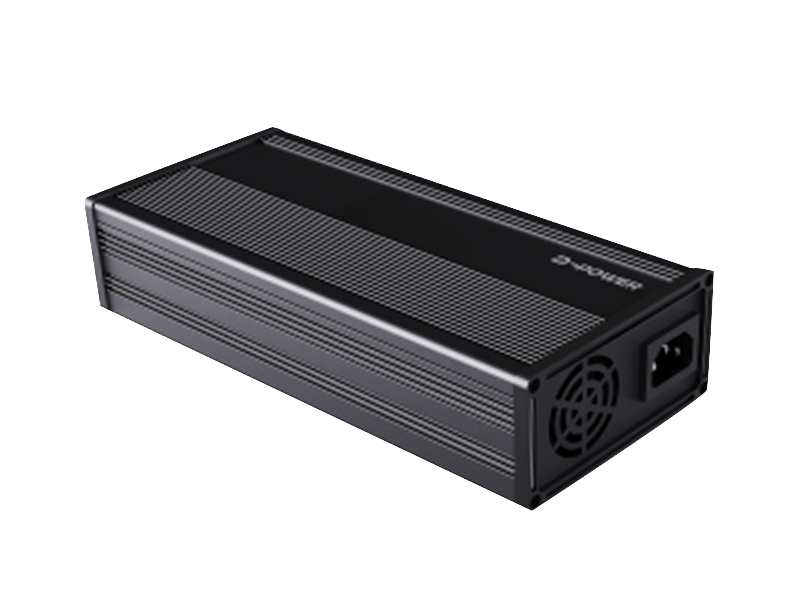
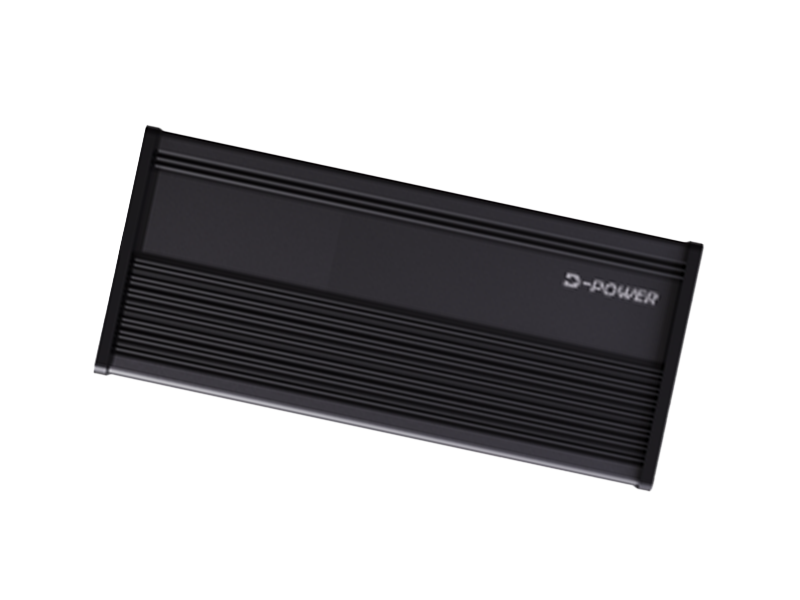
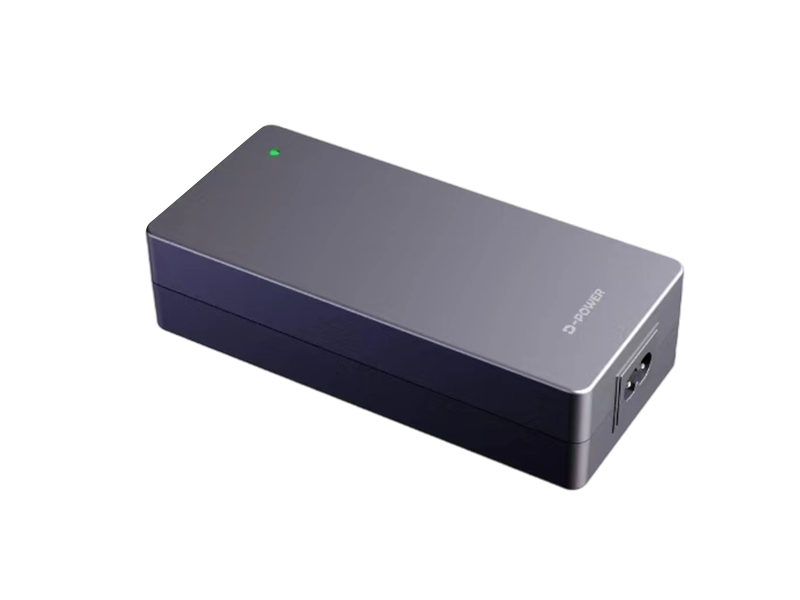
High Power Lithium Battery Charger

1. Core Applicable Industries & Power Adaptation

① Electric Transportation

Electric Motorcycles/Tricycles: 500W-2.2KW, solves the problem of slow charging for range anxiety, suitable for models with a range of 100-200km;

Scenic Area Sightseeing Vehicles/Patrol Vehicles: 3KW-6.6KW, supports centralized fast charging for multiple battery packs, reducing vehicle idle time.

② Industry & Energy Storage

Electric Tools/Stackers: 500W-3KW, fully charges in 1.5-5 hours, ensuring continuous operation in factories/warehouses;

Emergency Energy Storage/Rescue Equipment: 1000W-6.6KW, enables fast charging to meet power supply needs for outdoor construction and fire emergency scenarios.

③ Agriculture & Commercial Use

Electric Agricultural Machinery/Irrigation Pumps: 500W-2.2KW, allows fast charging during operation intervals without delaying farming seasons;

Shared Electric Motorcycles/Cleaning Equipment: 800W-3KW, shortens charging time to 1/3 of traditional chargers, improving vehicle/equipment turnover rate.

④ Special Scenarios

Aerial Work Platforms: 3KW-6.6KW, ensures continuous power supply for work operations;

Small Electric Boats: 500W-1000W, suitable for charging at docks (Note: To be used in dry environments only).

2. Core Functions (Universal for All Power Ranges + Differentiation)

Intelligent Adaptation: Automatically matches battery capacity and charging power to avoid battery damage; the 6.6KW version supports switching between fast charging and balanced charging modes;

Graded Fast Charging: Low-power range (500W-1000W) fully charges in 5 hours, medium-power range (2.2KW-3KW) in 3 hours, and high-power range (6.6KW) in 1.5 hours;

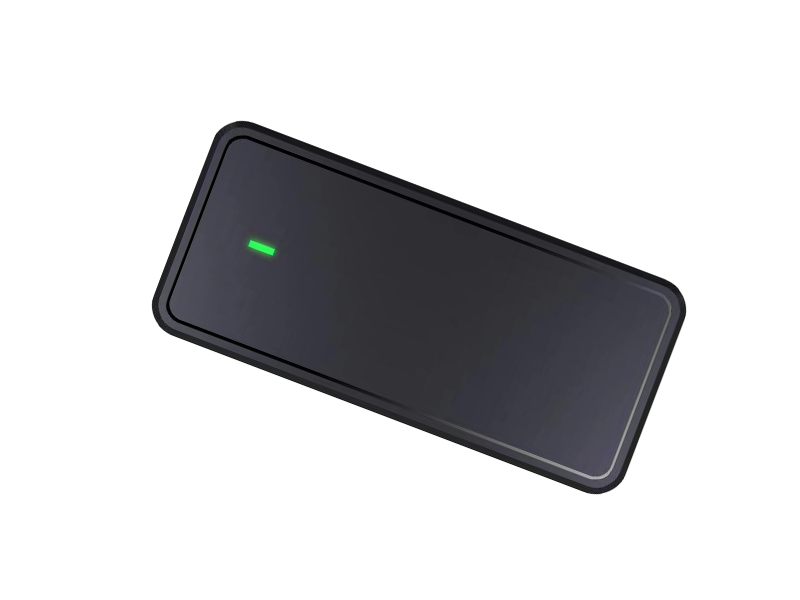
Status Indication: LED indicators show charging progress (e.g., red light for charging, green light for full charge) and fault status (e.g., yellow light for abnormal conditions), allowing users to easily monitor the device status.

3. Core Advantages: Eco-Friendliness + Safety

① Green & Eco-Friendly

Conversion rate of 94%-96% (compared to 85%-90% for traditional chargers), standby power consumption of only 0.2W (far lower than the national standard of 1W);

Made of recyclable materials, lead-free and mercury-free, compliant with RoHS standards; automatically enters sleep mode after full charge to save energy.

② Safety Protection

12-layer protection (against overvoltage, overcurrent, overheating, reverse connection, etc.); automatically reduces power under high temperatures; sounds and lights alarm for reverse connection;

Shell with UL94 V-0 flame retardant rating; passes 2-meter drop test, suitable for daily collision scenarios.

③ Durability & Adaptability

Wide voltage range of 110V-240V, suitable for both domestic and international use; balances and repairs old batteries, extending battery life by 1-2 years.

Product Information

Picture


titleWho we are
YOUR CHARGING EXPERT
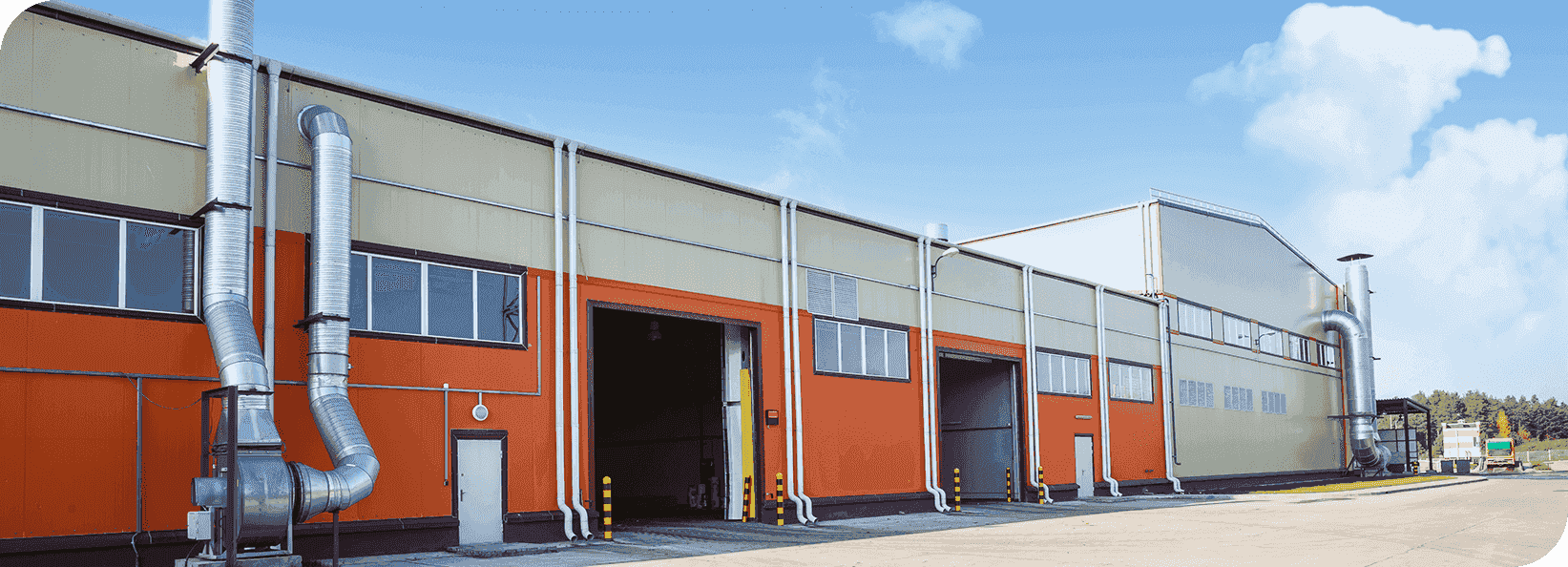
Wuxi Dpower Electronic Co., Ltd. was founded in 2014 near the scenic Taihu Lake, just 1 km from the Wuxi North highway exit — about 100 km from Shanghai and 30 km from Suzhou. We are a China Custom High Power Lithium Battery Charger Manufacturer and OEM/ODM High Power Lithium Battery Charger Company. With convenient transportation and rich industrial resources, the company focuses on the development and production of high-end lithium battery chargers and power supplies, widely used in e-bikes, drones, tools, scooters, and AGVs.

play Watch Our Video

Latest Updates

  • What Makes a 48V&52V Lithium Battery Charger Suitable for Fas...
    Lithium batteries power many modern devices, from electric bicycles to drones. A 48V&52V Lithium Battery Charger for Fast Charging is a critical tool for users who need quick turnaround times. Choosing the right charger improves performance and extends battery life. This article explains how to ...

    Apr 15, 2026

  • Why Does Your 36V Li-Charger Fail?
    A 36V Li-Charger Outputs Exactly 42 Volts A 36V Li-charger does not actually push 36 volts into your battery. The device delivers exactly 42.0 volts to fill a 10-cell lithium pack completely. Lithium-ion cells reach their maximum safe capacity at 4.2 volts per cell. You need this specific voltage t...

    Apr 10, 2026

  • 24V Lithium Battery Charger: Voltage Settings and Smart Featu...
    The Direct Answer: What Settings and Specifications Define a 24V Lithium Battery Charger A 24V lithium battery charger is not a generic power supply. It is a precision device that must deliver a specific charging profile known as Constant Current/Constant Voltage (CC/CV). For a standard 24V LiFePO4...

    Apr 03, 2026

High Power Lithium Battery Charger Industry knowledge

High Power Lithium Battery Charger: Enabling Fast, Safe, and Efficient Energy for Demanding Applications

The rapid electrification of transportation, industry, and commercial equipment has created an urgent demand for charging solutions that go beyond standard capabilities. A high-power lithium battery charger—typically defined as units delivering 500W to 6.6kW and above—addresses the critical need for speed, reliability, and intelligent energy management in applications where downtime is costly, and performance is paramount. From electric motorcycles requiring rapid turnaround to aerial work platforms needing continuous operation, high-power charging infrastructure is the backbone of modern e-mobility and industrial efficiency.

Core Applicable Industries and Power Adaptation

Different industries demand specific power levels and charging characteristics. A well-designed high-power lithium battery charger must match the application's voltage platform, battery capacity, and operational duty cycle.

Electric Transportation

The transportation sector represents the largest and fastest-growing market for high-power charging. Range anxiety and vehicle uptime are directly addressed by charger power levels.

  • Electric Motorcycles and Tricycles (500W-2.2kW): These vehicles typically have ranges of 100-200km. A 2.2kW charger can fully replenish a mid-size pack in 3-5 hours, solving the slow-charging bottleneck and enabling same-day multiple-use scenarios for delivery fleets and daily commuters.
  • Scenic Area Sightseeing Vehicles and Patrol Vehicles (3kW-6.6kW): Tourist locations and campus environments require maximum vehicle availability. 6.6kW charging supports centralized fast charging for multiple battery packs, reducing idle time between tours and ensuring continuous operation throughout operating hours.

Industrial and Energy Storage Applications

Industrial environments demand rugged, reliable charging that keeps material handling equipment and backup power systems ready for action.

  • Electric Tools and Stackers (500W-3kW): Warehouses and factories depend on electric stackers and pallet jacks for material movement. A 3kW high-power lithium battery charger can fully charge typical stacker batteries in 1.5-5 hours, enabling multi-shift operations with minimal interruption.
  • Emergency Energy Storage and Rescue Equipment (1000W-6.6kW): Fire rescue, outdoor construction, and disaster response scenarios demand reliable portable power. High-power charging ensures that emergency energy storage systems are rapidly replenished between deployments, ready for the next critical mission.

Agriculture and Commercial Use

The electrification of agricultural machinery brings unique challenges—equipment must be ready precisely when seasonal conditions permit operation.

  • Electric Agricultural Machinery and Irrigation Pumps (500W-2.2kW): Farming operations cannot afford delays during planting or harvest seasons. Fast charging during operational intervals (e.g., driver breaks) ensures machinery completes daily tasks without extending working hours.
  • Shared Electric Motorcycles and Cleaning Equipment (800W-3kW): Fleet operators measure profitability by equipment turnover rate. High-power charging reduces charging time to approximately one-third that of traditional chargers, allowing shared vehicles and commercial floor scrubbers to return to service faster, maximizing revenue per unit.

Special Application Scenarios

Beyond mainstream applications, specialized equipment benefits from tailored high-power charging solutions.

  • Aerial Work Platforms (3kW-6.6kW): Boom lifts and scissor lifts used in construction and maintenance require continuous power availability. High-power charging during lunch breaks or shift changes ensures platforms are ready for afternoon work without extended downtime.
  • Small Electric Boats (500W-1000W): Dock-side charging for small watercraft requires careful attention to environmental conditions. These chargers are designed for dry installation areas only, with appropriate ingress protection for marina environments.

The table below summarizes power requirements across key application sectors.

Industry Sector Power Range Typical Applications Charge Time Target
Electric Transportation 500W - 6.6kW Motorcycles, sightseeing vehicles 1.5 - 5 hours
Industrial & Energy Storage 500W - 6.6kW Stackers, emergency power 1.5 - 5 hours
Agriculture & Commercial 500W - 3kW Irrigation pumps, shared fleets 1/3 of traditional time
Special Scenarios 500W - 6.6kW Aerial platforms, small boats 2 - 4 hours

Core Functions: Intelligent Adaptation and User Experience

Modern high-power lithium battery charger systems incorporate sophisticated intelligence that distinguishes them from conventional chargers. These functions ensure optimal charging regardless of battery condition or user expertise.

Intelligent Battery Adaptation

The most critical function of a high-power charger is its ability to communicate with and adapt to the specific battery being charged.

  • Automatic Parameter Matching: The charger detects battery capacity, chemistry, and state of charge via communication protocols or voltage sensing, then automatically sets appropriate charging current and voltage limits to prevent damage.
  • Fast Charge vs. Balance Charge Modes: 6.6kW versions typically support selectable modes—fast charging for rapid energy replenishment when time is critical, and balanced charging for periodic maintenance that equalizes cell voltages and maximizes long-term battery health.
  • Old Battery Recovery: Advanced algorithms can balance and gently repair aged battery packs, potentially extending service life by 1-2 years through careful cell management.

Graded Fast Charging Performance

Charging speed varies predictably with power level, allowing users to select the optimal charger for their specific duty cycle.

  • Low-Power Range (500W-1000W): Provides complete charging within approximately 5 hours, suitable for overnight or between-shift charging where speed is not critical.
  • Medium-Power Range (2.2kW-3kW): Achieves full charge in approximately 3 hours, balancing speed with infrastructure demands for most commercial applications.
  • High-Power Range (6.6kW): Delivers full charge in just 1.5 hours, essential for high-uptime fleet operations and emergency readiness applications.

Status Indication and User Feedback

Clear communication of charger status helps users monitor progress and identify issues immediately.

  • LED Indicator System: Red light indicates active charging; green confirms full charge; yellow signals abnormal conditions requiring attention.
  • Audible Alarms: Reverse polarity connection triggers both audible and visual alarms, preventing damage and enhancing safety.
  • Fault Diagnostics: Blink patterns or digital displays communicate specific fault codes, enabling rapid troubleshooting.

Core Advantages: Eco-Friendliness and Safety

A premium high-power lithium battery charger distinguishes itself through exceptional efficiency, environmental responsibility, and comprehensive safety systems that protect both equipment and personnel.

Green and Eco-Friendly Design

Energy efficiency and environmental compliance are increasingly critical factors in charger selection, affecting both operating costs and corporate sustainability goals.

  • Superior Conversion Efficiency (94%-96%): Compared to traditional chargers operating at 85%-90%, this efficiency reduces energy waste by approximately 50%, lowering electricity costs and heat generation.
  • Ultra-Low Standby Power (0.2W): Far below the national standard of 1W, this minimizes phantom load when the charger is plugged in but not actively charging.
  • RoHS Compliant Materials: Lead-free and mercury-free construction with recyclable components supports environmental sustainability goals.
  • Automatic Sleep Mode: After charging completes, the charger enters low-power sleep mode, conserving energy without user intervention.

Comprehensive Safety Protection

High-power charging inherently involves greater energy transfer, making robust safety systems essential.

  • 12-Layer Protection Suite: Includes overvoltage, overcurrent, overheating, reverse polarity, short circuit, and thermal runaway prevention, among others.
  • Intelligent Thermal Management: Under high-temperature conditions, the charger automatically reduces output power to maintain safe operating temperatures, preventing thermal damage.
  • Reverse Polarity Alarm: Both audible and visual warnings activate if connections are reversed, preventing damage and alerting users immediately.
  • UL94 V-0 Flame Retardant Enclosure: The highest rating for plastic flammability, ensuring the charger casing resists ignition and self-extinguishes if exposed to flame.
  • 2-Meter Drop Test Certification: Validates durability against daily impacts and accidental falls in workshop or job site environments.

The table below compares key performance metrics of high-power chargers against traditional alternatives.

Performance Metric High Power Lithium Charger Traditional Charger
Conversion Efficiency 94% - 96% 85% - 90%
Standby Power Consumption 0.2W ≥1W (typical)
Protection Layers 12-layer comprehensive 4-6 layer basic
Enclosure Flammability Rating UL94 V-0 UL94 HB or unrated
Drop Test 2-meter certified Often untested
Materials Compliance RoHS, lead-free, mercury-free Variable

Durability and Adaptability Features

A high-power lithium battery charger intended for professional use must perform reliably across diverse environments and with varying battery conditions.

Global Voltage Compatibility

Equipment manufactured for international markets requires chargers that operate seamlessly anywhere.

  • Wide Input Voltage Range (110V-240V): Automatic voltage detection and adjustment ensure safe operation across global power grids without user intervention or switch setting changes.
  • Universal Frequency Acceptance (50/60Hz): Compatible with both common mains frequencies found worldwide.
  • International Connector Options: Available with plug configurations for all major markets, or with no plug for hardwired installations.

Battery Life Extension Capability

Beyond simply charging, advanced chargers actively contribute to battery longevity.

  • Balancing Function: During charging, the system equalizes cell voltages, preventing the weak-cell degradation that often limits pack life.
  • Old Battery Recovery Mode: Specialized algorithms can restore partial capacity to aged or imbalanced packs through controlled cycling and balancing.
  • Typical Life Extension: Users can expect 1-2 years of additional service life from batteries charged with properly managed high-power systems compared to uncontrolled charging.

Selecting the Right High-Power Lithium Battery Charger

Choosing the optimal charger for a specific application requires careful evaluation of multiple factors beyond simple power rating.

  • Match Power to Battery Capacity and Duty Cycle: A 100Ah battery charged at 6.6kW (approximately 1.5 hours) is suitable for high-uptime fleet use, while the same battery charged at 500W (5+ hours) may suffice for overnight charging applications.
  • Verify Communication Protocol Compatibility: Ensure the charger's communication method (CAN, UART, or others) matches the battery BMS for optimal performance and safety.
  • Consider Environmental Conditions: Outdoor installation requires appropriate ingress protection (IP rating); job site use demands robust mechanical construction and drop resistance.
  • Evaluate Total Cost of Ownership: Higher efficiency (94-96%) and longer battery life often contribute to offsetting the higher initial investment through electricity savings and reduced battery replacement costs.
  • Confirm Safety Certifications: Look for UL, CE, and RoHS marks appropriate for the target market, indicating compliance with recognized safety and environmental standards.

FAQ: High Power Lithium Battery Charger

Can I use a high-power charger on any lithium battery?

No, a high-power lithium battery charger must be matched to the battery's specifications. The battery's BMS (Battery Management System) has a maximum charge current rating that must not be exceeded. Using a charger with power output beyond the battery's capability can trigger BMS protection, or in worst cases, cause overheating and damage. However, quality high-power chargers include intelligent communication that automatically matches output to the connected battery's allowable parameters, provided the battery supports such communication. Always verify compatibility before connection.

How long does a 6.6kW charger take to charge an electric vehicle battery?

Charging time depends on battery capacity. A 6.6kW high-power lithium battery charger delivering approximately 6,600 watts per hour will charge a 10kWh battery (typical for some electric motorcycles or sightseeing vehicles) in about 1.5 hours, assuming 100% efficiency and ideal conditions. Actual time varies slightly based on battery chemistry, state of charge, temperature, and the charging algorithm's taper phase. The key advantage of 6.6kW charging is its ability to replenish large packs during lunch breaks or between operational shifts, maximizing vehicle uptime.

What safety features should I look for in a high-power charger?

Essential safety features for any high-power lithium battery charger include overvoltage protection (OVP), overcurrent protection (OCP), over-temperature protection (OTP), short circuit protection, and reverse polarity protection with audible/visual alarms. Premium chargers offer the full 12-layer protection suite, including thermal runaway prevention and ground fault monitoring. Physical safety requires a UL94 V-0 flame-retardant enclosure and robust mechanical construction certified for drop tests. Additionally, look for certifications like UL, CE, and RoHS, which indicate compliance with rigorous safety and environmental standards.

Can a high-power charger extend the life of an old battery?

Yes, certain high-power lithium battery charger models include features specifically designed to recover and balance aged batteries. Through controlled charging algorithms and cell balancing during the charge cycle, these chargers can equalize cell voltages in packs that have become imbalanced over time. This balancing reduces stress on the weakest cells, potentially extending useful pack life by 1-2 years. However, this is a recovery feature, not a guarantee—severely degraded or physically damaged batteries cannot be restored and should be replaced for safety.

What is the difference between 94% and 85% efficiency in practical terms?

A 94% efficient high-power lithium battery charger wastes only 6% of input energy as heat, while an 85% efficient charger wastes 15%. For a 6.6kW charger operating at full power for 1.5 hours daily, this efficiency difference represents approximately 0.6 kWh of wasted energy per day—enough to power a small appliance continuously. Over a year, this adds up to significant electricity cost savings. More importantly, higher efficiency means less heat generation inside the charger, which directly translates to longer component life, reduced cooling requirements, and greater reliability in demanding applications.

Is a high-power charger suitable for outdoor use?

Suitability for outdoor use depends on the charger's ingress protection (IP) rating, not its power level. Standard high-power lithium battery charger units are typically designed for indoor or protected environments unless specified otherwise. For outdoor installation (dockside boat charging, outdoor equipment yards), look for chargers with IP54 or higher ratings, indicating protection against dust and water splashes. Additionally, outdoor units should have wider operating temperature ranges and UV-stable enclosures. Always check manufacturer specifications for environmental ratings before outdoor installation.