36V Li-Charger: The Global Standard for Micro-Mobility and Industrial Power
In the realm of electric mobility and industrial applications, 36V has established itself as a universal voltage standard. From e-scooters weaving through European cities to electric lawn mowers in American suburbs, and from cargo e-bikes in Japan to power tools in workshops worldwide, the 36V platform powers a vast ecosystem of devices. Its nominal voltage of 42V strikes an optimal balance between power output, energy efficiency, and safety, making it the preferred choice for a diverse range of equipment, including e-bikes, foldable bicycles, electric wheelchairs, and various industrial tools.
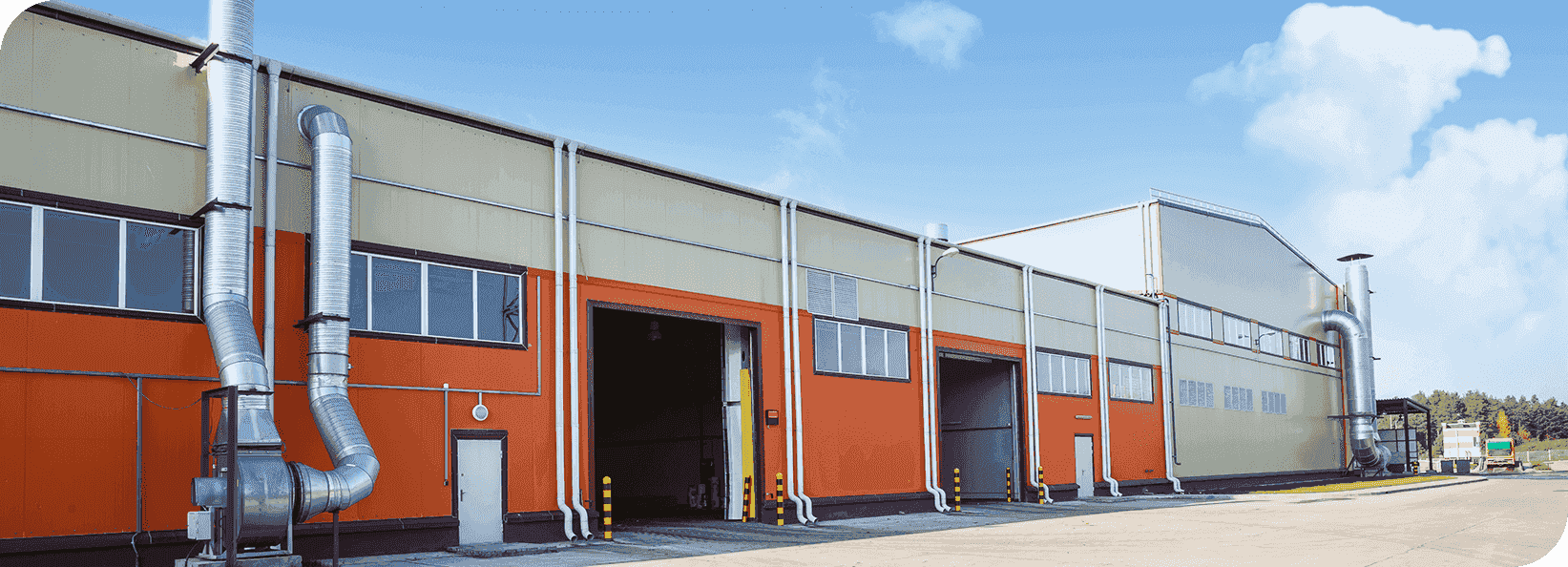
Wuxi Dpower Electronic Co., Ltd., founded in 2014 near the scenic Taihu Lake, stands at the forefront of this technology. Strategically located just 1 km from the Wuxi North highway exit, approximately 100 km from Shanghai, i and 30 km from Suzhou, we leverage convenient transportation and rich industrial resources. As a premier China Custom 24V Lithium Battery Charger Manufacturer and OEM/ODM 24V Lithium Battery Charger Company, our expertise extends deeply into high-end 36V charging solutions. We focus on the development and production of advanced lithium battery chargers and power supplies, serving industries from e-bikes and drones to tools, scooters, and AGVs.
The Dpower 36V Advantage: Engineered for Reliability and Performance
Selecting the correct charger is critical for the longevity and safety of your 36V lithium battery system. Dpower chargers are designed not merely as accessories, but as integral components that ensure optimal battery health and operational reliability. Our commitment to quality is reflected in every aspect of our 36V Li-charger series.
Uncompromising Quality and Longevity
We understand that downtime is costly. Therefore, Dpower 36V chargers are built to last. We back this confidence with a market-leading 27-month warranty, and our designs typically achieve a service life of 3-5 years under normal operating conditions. This durability is a direct result of our rigorous quality management system. Every single batch undergoes six thorough inspections before shipment, covering everything from incoming component quality to final functional and aging tests. This meticulous process has earned Dpower a stellar reputation among domestic and international customers for delivering products with minimal quality issues and exceptional longevity.
Innovative Natural Heat Dissipation
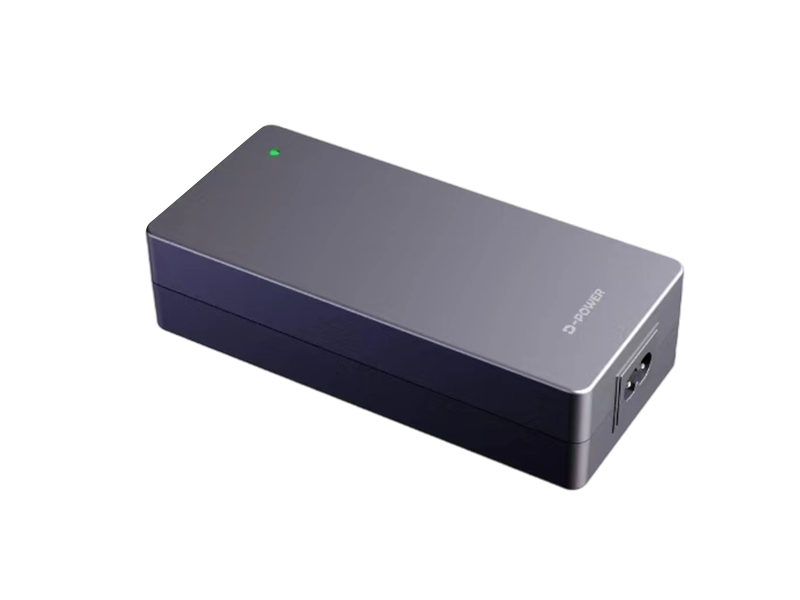
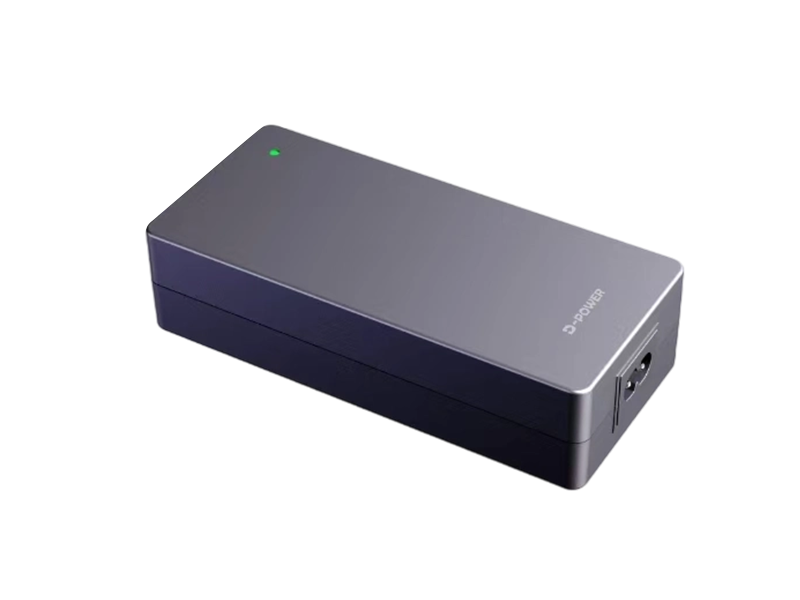
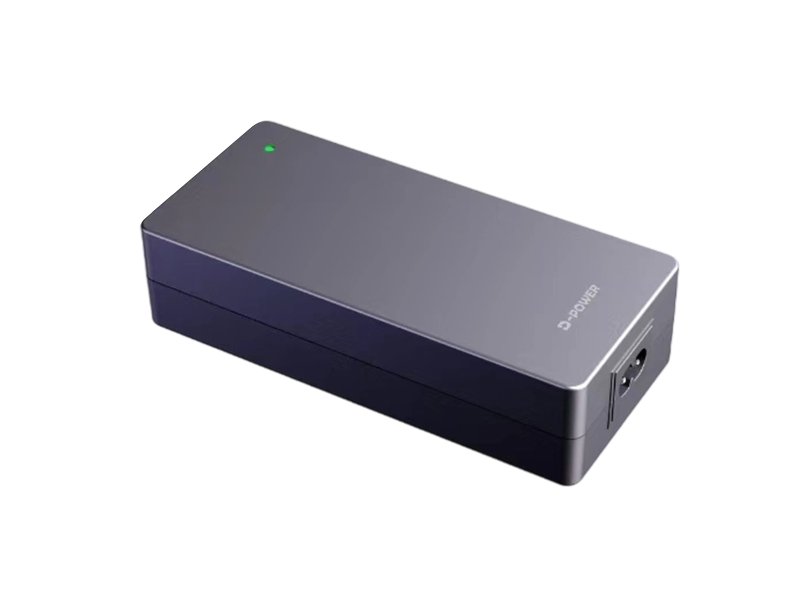
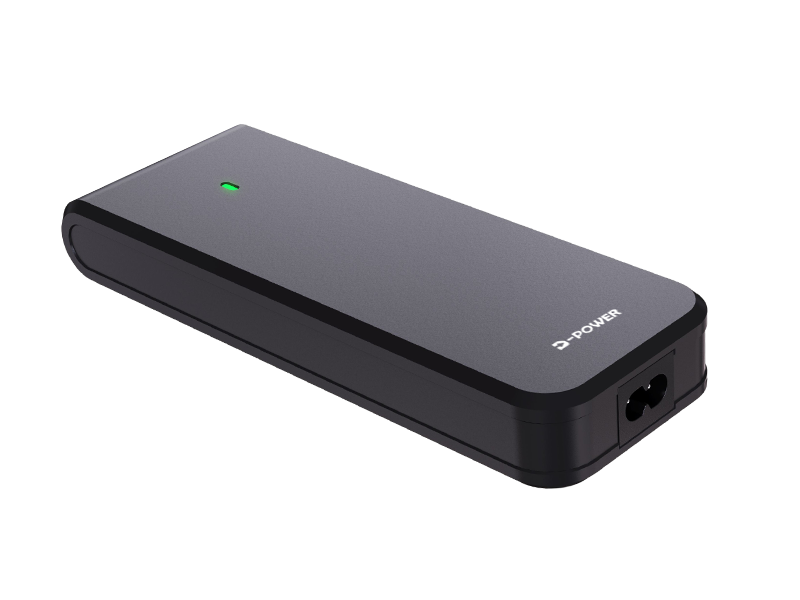
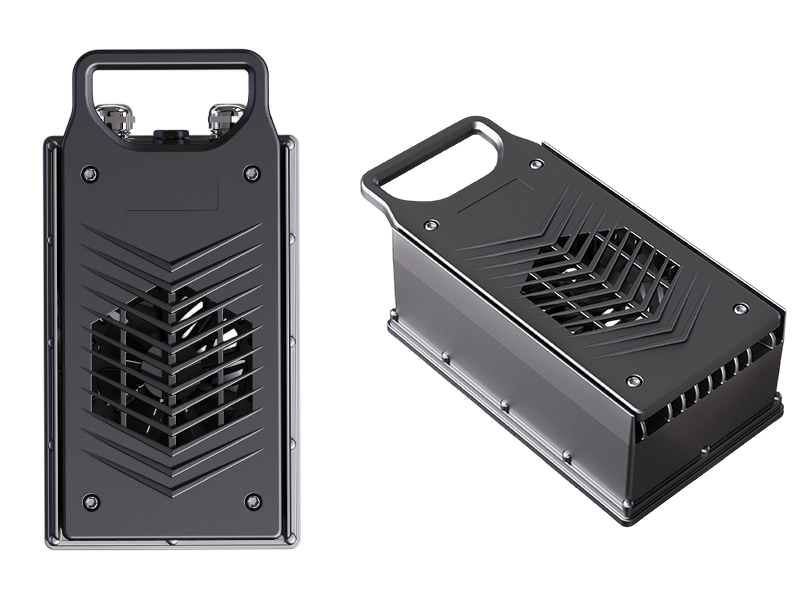
One of the most common failure points in traditional chargers is the cooling fan. Fans are mechanical parts prone to dust accumulation, noise generation, bearing wear, and eventual failure, which can lead to overheating and charger damage. Dpower has pioneered the adoption of natural heat dissipation for its 36V charger series. By optimizing internal circuit layouts and utilizing advanced, large-surface-area casings, we achieve efficient cooling without any moving parts.
- Zero Noise Operation: Ideal for noise-sensitive environments like homes, hospitals, and offices, especially during nighttime charging.
- Enhanced Reliability: Eliminates fan-related failures, significantly increasing the Mean Time Between Failures (MTBF).
- Reduced Maintenance: No need to clean dust-clogged fans, offering a truly maintenance-free experience.
- Improved Energy Efficiency: Eliminates the parasitic power loss associated with running a fan motor.
Comprehensive Multi-Level Safety Protections
Safety is paramount in any charging system. Dpower 36V chargers incorporate multiple hardware and software-based protection mechanisms to safeguard both the charger and the expensive battery pack.
- Reverse Polarity Protection: Prevents damage if the charger leads are incorrectly connected to the battery terminals.
- Anti-Spark Protection: Eliminates the electrical arc that can occur when connecting a charger to a battery, enhancing safety in potentially flammable environments.
- Over-Temperature Protection: Built-in sensors continuously monitor internal temperature. If an unsafe threshold is reached, the charger automatically reduces output or shuts down until it cools.
- Over-Charge / Timing Protection: Intelligent timers and voltage cutoff logic prevent overcharging, which is a leading cause of reduced battery lifespan.
Smart Communication and Customization
Modern intelligent lithium batteries feature a Battery Management System (BMS) that communicates with the charger to optimize the charging curve. Dpower 36V chargers are designed for seamless integration, supporting a wide array of communication protocols. This capability is crucial for applications like advanced e-bikes, AGVs, and high-end power tools, where precise charging control maximizes performance and cycle life.
- Supported Protocols: UART, CANOPEN, NTC, CAN2.0.
- Proprietary Option: Our in-house Dpower Protocol offers a stable and reliable alternative.
- Ultimate Flexibility: We excel in providing fully customized solutions tailored to specific BMS communication requirements for OEM/ODM clients.
Technical Specifications and Customization Options
To meet the diverse demands of global markets and applications, Dpower 36V chargers are available with a range of standard and customizable parameters.
Standard Technical Parameters
| Parameter |
Specification Details |
| Input Voltage |
100-240VAC, 50/60Hz (Universal worldwide use) |
| Output Voltage |
42V (Nominal for 36V battery packs) |
| Output Current Options |
2A, 3A, 5A, 8A, 10A (Customizable for specific applications) |
| Efficiency |
≥88% at full load |
| Operating Temperature |
-20°C to +45°C |
| Storage Temperature |
-30°C to +70°C |
| Ingress Protection Rating |
IP20 (Standard indoor use), IP67 waterproof (Customizable) |
| Certifications |
CE, RoHS, FCC, UL (Optional) |
| Dimensions (5A model example) |
175mm × 85mm × 45mm |
Communication Protocol Comparison
| Protocol |
Typical Applications |
Dpower Support |
| UART |
E-bikes, E-scooters, Power tools |
Supported & Customizable |
| CANOPEN |
AGVs, Industrial equipment, High-end e-bikes |
Supported & Customizable |
| CAN2.0 |
Automotive-grade, Large electric vehicles |
Supported & Customizable |
| NTC |
Temperature monitoring specific scenarios |
Supported & Customizable |
| Dpower Protocol |
Clients requiring a stable, proprietary solution |
Exclusive & Fully Customizable |
Cooling Technology: Natural vs. Fan Cooling
| Feature |
Dpower Natural Cooling Charger |
Traditional Fan-Cooled Charger |
| Cooling Method |
Passive, no moving parts |
Active, wita h fan motor |
| Noise Level |
0 dB (Silent) |
30-50 dB |
| MTBF (Mean Time Between Failures) |
≥50,000 hours |
~20,000-30,000 hours |
| Typical Lifespan |
3-5 years |
1-2 years |
| Dust Sensitivity |
Insensitive |
High (requires regular cleaning) |
| Power Loss (Parasitic) |
Minimal |
Fan consumes an extra 1-3W |
OEM/ODM Customization Scope
| Customization Item |
Options Available |
Minimum Order Quantity (MOQ) |
| Appearance |
Color, Logo, Mold modification |
500 units |
| Cabling & Connectors |
Length, Plug type (US/EU/UK/AU/CN), Connector model |
200 pieces |
| Output Parameters |
Fine-tuning of voltage and current |
100 units |
| Communication Protocol |
UART/CAN baud rate, protocol content |
Customizable from the sample stage |
| Functional Features |
LED indicator patterns, timing functions, and display |
1000 units |
Applications Across Industries
The versatility of the Dpower 36V Li-charger makes it the ideal power partner for a vast array of equipment. Our deep understanding of application-specific requirements allows us to provide tailored solutions.
| Application Area |
Typical Current Needs |
Dpower Customized Solution Highlights |
| E-bikes / Cargo / Foldable bikes |
2A-5A |
Customizable IP54 waterproofing, protocol matching with major BMS brands. |
| Scooters |
2A-3A |
Portable design, multi-color LED status indicators, foldable plug options. |
| Power Tools |
3A-8A |
Enhanced durability, reinforced casing, fast charging profiles. |
| Electric Wheelchairs |
5A-10A |
Medical-grade safety focus, standard silent natural cooling. |
| Drones |
3A-6A |
Lightweight design, support for intelligent balance charging, and aviation connectors. |
| AGVs / Robotics |
8A-20A |
Standard CAN2.0/CANOPEN communication, support for multi-unit charging systems. |
| Electric Lawn Mowers |
5A-10A |
Outdoor-rated, customizable IP67 waterproof and dustproof sealing. |
FAQ: 36V Li-Charger Insights
What is the nominal voltage of a 36V lithium battery charger?
The nominal voltage for a charger designed for a 36V lithium-ion battery pack is typically 42V. This is because a "36V" battery pack reaches its peak voltage when fully charged. For example, a common configuration uses 10 lithium-ion cells in series (10S), each with a maximum charge voltage of 4.2V. Therefore, 10 cells x 4.2V/cell = 42V. The charger is designed to provide this specific voltage to fully saturate the battery cells.
Can I use a 36V charger on a 48V battery system?
No, you should never use a 36V charger on a 48V battery system. The voltage is mismatched and insufficient. Attempting to charge a 48V battery (which typically requires a charger outputting 54.6V) with a 36V charger will likely fail to charge the battery at all. In some cases, it might cause the charger to operate incorrectly or become overloaded. Conversely, using a higher voltage charger on a lower voltage battery will cause severe overcharging, leading to immediate overheating, permanent battery damage, and potentially a fire hazard. Always match the charger's output voltage to your battery's nominal voltage.
How do I choose the right amperage (A) for my 36V e-bike charger?
The amperage, or current (measured in Amps), determines the charging speed. A higher amp rating means faster charging. For example, a 2A charger is slower and gentler, while a 5A or 8A charger will replenish the battery much quicker. The choice depends on your needs and your battery's BMS capabilities. For overnight or standard charging, a 2A-4A charger is often sufficient and can promote longer battery life by reducing stress. For faster turnaround, you can opt for a higher amperage charger like 5A or 8A, provided your battery's BMS can accept that charge rate (this information is usually found in the battery specifications). It is generally safe to use a lower amperage charger than the maximum your battery can take, but never use a higher amperage charger than the battery is rated for, as this can bypass safety limits.
What is the difference between UART and CAN communication in a charger?
UART (Universal Asynchronous Receiver/Transmitter) and CAN (Controller Area Network) are two different protocols for communication between the charger and the battery's BMS. UART is a simpler, point-to-point communication protocol, often used in less complex systems like standard e-bikes and scooters. It typically transmits basic data like voltage, current, and temperature. CAN bus is a more robust, multi-master protocol designed for complex and noisy environments like vehicles, AGVs, and industrial machinery. It allows for more sophisticated data exchange, fault diagnosis, and communication between multiple devices on a single network. The choice depends on the BMS. High-performance e-bikes and industrial systems often prefer CAN for its reliability and advanced features, while simpler applications function perfectly with UART.
Why is my 36V charger getting hot during use? Is that normal?
It is normal for any charger to generate some heat during operation due to the energy conversion process. However, excessive heat can be a sign of a problem. Dpower chargers utilize natural heat dissipation, meaning they are designed to be warm to the touch but should not become scalding hot. The casing acts as a large heatsink. If a charger becomes excessively hot, it could indicate:
- Poor ventilation: Ensure the charger is placed in an open area with good airflow, not inside a confined space or in direct sunlight.
- Ambient temperature is too high: Charging in extremely hot environments can cause overheating.
- Internal component failure: Although rare with Dpower's rigorous testing, a fault could cause excessive heat.
- Mismatched battery or fault: A problem with the battery pack itself could cause the charger to work harder.
If your Dpower charger becomes excessively hot to the point of being uncomfortable to touch, or if it triggers thermal shutdown frequently, stop using it and consult the manufacturer. The natural dissipation design inherently runs cooler than many fan-cooled units, so significant heat is not typical.


 English
  Español



 Watch Our Video

 No.18-9 Zhang Hong Road ,Huishan District,Yanqiao Street,Wuxi City,Jiangsu Province,China
 +86-510-83138966
