English
  Español


DPOWER ELECTRONIC
DPOWER ELECTRONIC
DPOWER ELECTRONIC
DPOWER ELECTRONIC
DPOWER ELECTRONIC
DPOWER ELECTRONIC
Why Does Your 36V Li-Charger Fail?
Content
Apr 10, 2026
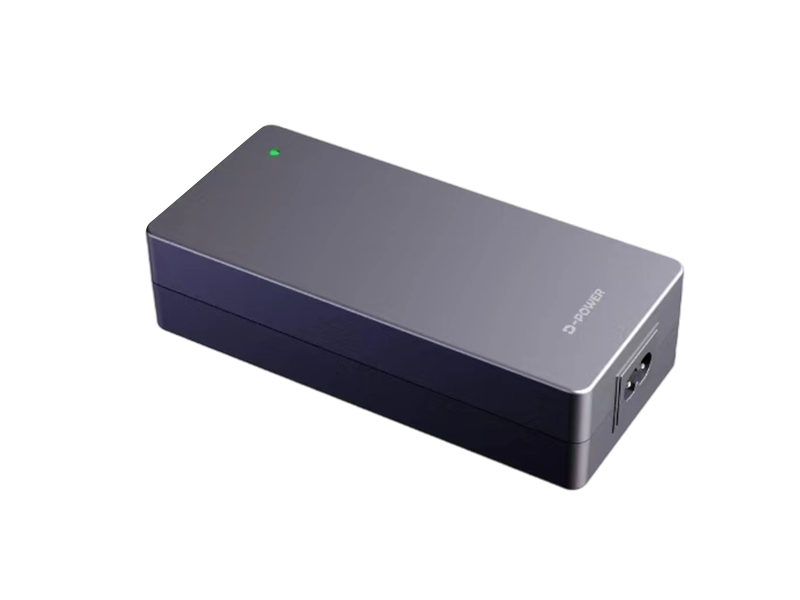
A 36V Li-charger does not actually push 36 volts into your battery. The device delivers exactly 42.0 volts to fill a 10-cell lithium pack completely. Lithium-ion cells reach their maximum safe capacity at 4.2 volts per cell. You need this specific voltage to ensure proper tool performance. A lower voltage leaves the battery undercharged. A higher voltage causes immediate and permanent chemical damage. The charger manages this precise output to protect the battery cells and guarantee user safety.
Lithium batteries require a very specific charging method. A 36V Li-charger uses a two-stage process to fill the cells safely. This method differs entirely from older lead-acid battery systems.
The first stage is the constant current phase. The 36V lithium battery charger pushes a steady stream of electrons into the empty battery. The device maintains a fixed current level, often around 2.0 amps for standard home use. The battery voltage rises gradually during this period. This stage fills approximately 80 percent of the total battery capacity. The system keeps the current stable to prevent sudden heat spikes inside the battery pack.
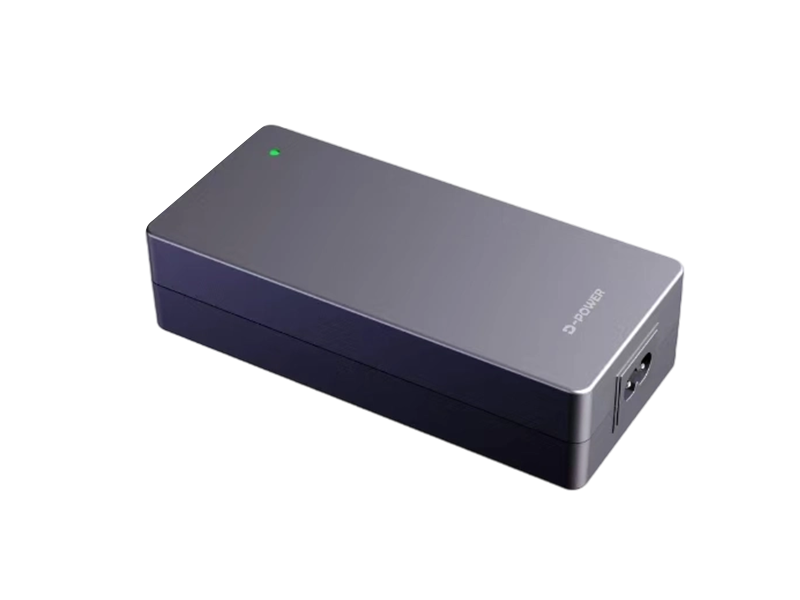
The second stage is the constant voltage phase. The battery hits 42.0 volts, and the charger locks the voltage at this maximum limit. The current begins to drop steadily as the cells reach their absolute full capacity. The charger terminates the cycle completely when the current falls below 100 milliamps. This precise cutoff prevents overcharging. It also significantly extends the overall lifespan of the battery pack.
A quality 36V Li-charger includes several internal safety systems. These components work together to manage heat and electrical flow. You should evaluate these specific features before you buy a 36V lithium charger.
The amperage output directly dictates your waiting time. A 36V Li-charger typically comes in two main amperage categories. Users usually choose between a 2A model and a 4A model for their daily needs.
A 2 amp model charges slowly but generates less heat. A 4 amp model cuts the waiting time in half but produces significantly more internal warmth. The following table shows the exact time differences for common battery sizes.
| Charger Amperage | Battery Capacity | Estimated Charge Time |
|---|---|---|
| 2.0 Amps | 2.0 Ah | 1.2 Hours |
| 2.0 Amps | 5.0 Ah | 3.0 Hours |
| 4.0 Amps | 5.0 Ah | 1.5 Hours |
Heat accelerates the natural aging process of lithium cells. Professionals often accept this slight lifespan trade-off for increased daily productivity. Casual users generally benefit more from the slower 2 amp charging speed.
Every modern 36V lithium battery contains an internal circuit board. This board is the Battery Management System. The 36V Li-charger communicates directly with this board during the entire sequence. The system monitors the voltage of each individual cell within the 10-cell series. If one cell charges faster than the others, the board redirects the energy to balance the pack. A charger without proper BMS communication can easily destroy an unbalanced pack by forcing too much energy into a single full cell.
User habits play a massive role in battery health. Proper storage and timely charging prevent premature capacity loss. Lithium-ion cells do not suffer from the memory effect that plagued older battery technologies.
You should store your batteries at approximately 50 percent charge during long periods of inactivity. A fully charged cell experiences higher internal stress when it sits idle for months. The ideal storage temperature sits right around 20 degrees Celsius. Garages often reach temperatures above 35 degrees Celsius in the summer. This extreme heat permanently reduces the total capacity of the lithium cells.
Operators should avoid draining a battery to absolute zero before connecting the 36V Li-charger. Deep discharges strain the internal chemistry. Most manufacturers recommend recharging the pack when the tool noticeably loses power. A lithium battery typically survives between 300 and 500 full discharge cycles before its maximum capacity drops to 80 percent of its original rating.
Charging devices eventually wear out from constant electrical stress. Recognizing the early warning signs prevents you from mistakenly replacing a healthy battery. Several clear symptoms indicate a faulty unit.
Continuing to use a damaged charger poses a serious safety risk. The internal components can fail and send unregulated voltage into the battery pack. You must replace the unit immediately when these physical symptoms appear.
Lithium-ion cells contain highly flammable electrolytes. A malfunction during the charging process can lead to thermal runaway. This chemical reaction produces intense heat and toxic smoke. You must follow strict safety guidelines every time you connect a 36V Li-charger to a power source.
Smoke or melting plastic requires an immediate disconnection from the wall outlet. You should never use water to extinguish a lithium fire. A Class D fire extinguisher represents the only safe way to handle a battery fire emergency.
Both lithium batteries and their corresponding chargers contain hazardous materials. A 36V Li-charger holds lead solder, capacitors, and copper wiring. You must never throw these electronic devices into standard household trash bins. Local recycling centers accept electronic waste and extract the valuable metals safely. Proper disposal prevents toxic heavy metals from leaching into the groundwater supply. Many municipalities host special collection events specifically designed for broken electronics and depleted lithium-ion power tools.

 No.18-9 Zhang Hong Road ,Huishan District,Yanqiao Street,Wuxi City,Jiangsu Province,China
 +86-510-83138966
 [email protected]
TALK TO US
Copyright © Wuxi Dpower Electronic Co., Ltd. All Rights
Reserved.
Custom Smart Lithium Battery Charger Manufacturer