English
  Español


DPOWER ELECTRONIC
DPOWER ELECTRONIC
DPOWER ELECTRONIC
DPOWER ELECTRONIC
DPOWER ELECTRONIC
DPOWER ELECTRONIC
48V 52V Lithium Battery Charger For Fast Charging vs Standard Chargers: A Complete Performance and Safety Comparison for Light Electric Vehicles
 Home / News / Industry News / 48V 52V Lithium Battery Charger For Fast Charging vs Standard Chargers: A Complete Performance and Safety Comparison for Light Electric Vehicles
Content
Jun 26, 2026
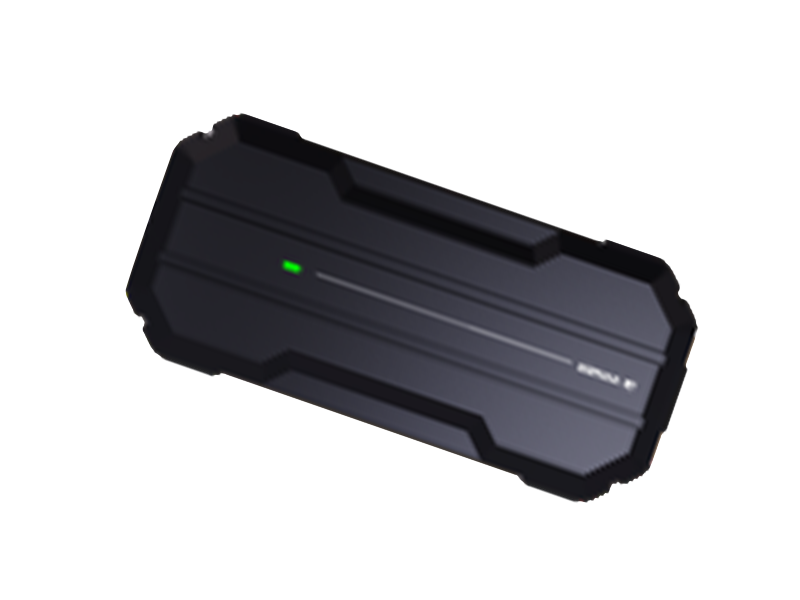
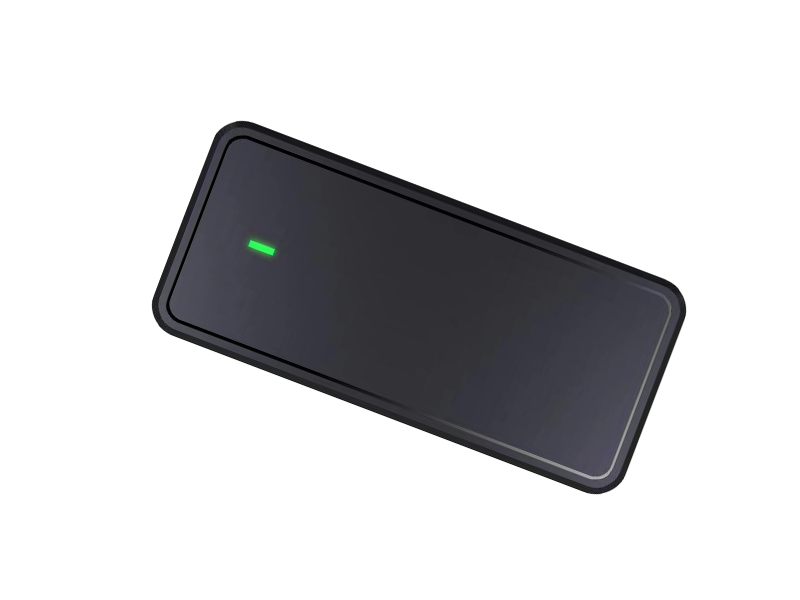
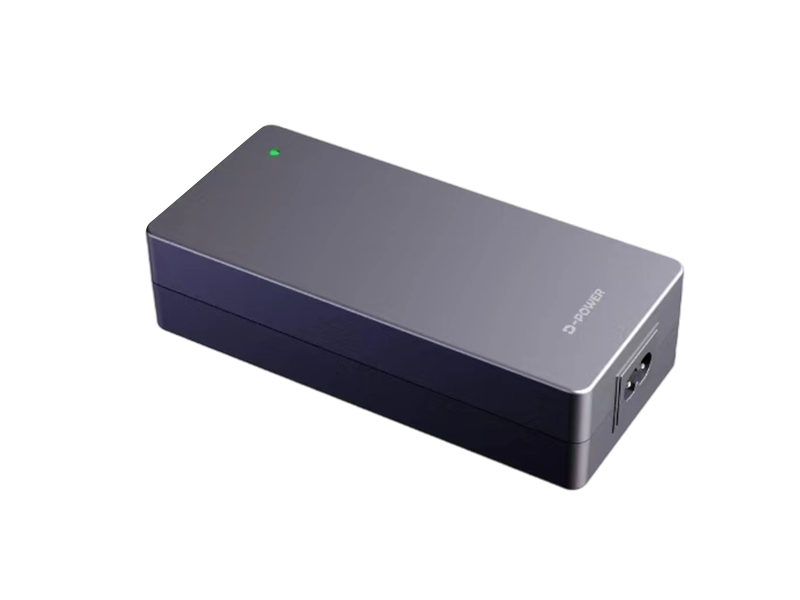
For e bike manufacturers, commercial fleet operators, and export sourcing professionals, selecting the correct charger for 48V and 52V battery systems directly impacts vehicle uptime, battery cycle life, and operational safety. Standard 48V chargers typically deliver 2 to 5 amperes, requiring 4 to 6 hours for a full charge of a 20 ampere hour battery. 48V 52V Lithium Battery Charger For Fast Charging systems deliver up to 10 amperes, reducing charging time to 2.5 hours while incorporating advanced protection features that extend battery life by over 30 percent. Understanding the differences between fast charging and standard charging technologies helps buyers select the optimal solution for applications ranging from urban e bike commuting to commercial delivery fleets.
Standard 48V lithium battery chargers use constant current constant voltage algorithms but with lower current output, typically 2 to 5 amperes. These chargers are adequate for overnight charging but cannot support the quick turnaround needs of commercial applications. Fast chargers operate at higher currents, typically 8 to 10 amperes for 48V and 52V systems, but require sophisticated thermal management, voltage regulation, and termination algorithms to prevent battery damage. The following table summarizes the key differences between fast charging and standard charging systems for 48V and 52V lithium batteries.
| Performance Indicator | 48V 52V Fast Charger 10A | Standard 48V Charger 2A to 5A |
|---|---|---|
| Charging Current Amperage | 8A to 10A high current capability | 2A to 5A standard current |
| Charge Time for 48V20Ah Battery | 2.5 hours fast turnaround | 4 to 6 hours overnight charging |
| Impact on Battery Cycle Life | Moderate 30 percent life extension via smart termination | Baseline with proper termination |
| Standby Power Consumption | 0.3W ultra low energy saving | 1W to 3W standard |
| Charging Efficiency Percentage | 92 percent high efficiency minimal heat | 85 percent standard efficiency |
| Safety Protection Layers | 9 layers comprehensive protection | 3 to 5 layers basic protection |
Industry data confirms that the global 48V battery system market reached 5.51 billion US dollars in 2025 and is projected to escalate to 13.79 billion US dollars by 2034, representing a compound annual growth rate of 25.8 percent. Within this expanding market, fast charging technology has become essential for commercial applications where vehicle uptime directly impacts revenue. For fleet operators, the 2.5 hour fast charging capability enables multiple charging cycles during operational shifts, significantly reducing the number of spare batteries required.
The 48V and 52V platforms have become the industry sweet spot for light electric mobility applications. Understanding the battery configurations behind these nominal voltages helps buyers select chargers with correct voltage parameters for their specific battery chemistry and cell count.
For standard 48V lithium ion battery packs using NMC or NCA chemistry, the typical configuration is 13 cells in series, known as 13S. Each cell has a nominal voltage of 3.7V and maximum charge voltage of 4.2V. The pack nominal voltage is 48.1V, and the maximum charge voltage is 54.6V. For 48V lithium iron phosphate or LFP battery packs, the configuration is 15 cells in series, 15S, with each cell having nominal voltage of 3.2V and maximum charge voltage of 3.65V. The pack nominal voltage is 48.0V, and the maximum charge voltage is 54.75V for 15S LFP, though some 16S LFP packs charge to 58.4V.
For 52V lithium ion battery packs, the typical configuration is 14 cells in series, 14S. Each cell has a nominal voltage of 3.7V, giving a pack nominal voltage of 51.8V, and maximum charge voltage of 58.8V. The 52V designation is marketing nomenclature rather than precise voltage. 52V packs offer slightly higher power output and longer range than 48V packs for the same physical size, making them popular for performance oriented e bikes and scooters. However, 52V packs require chargers specifically designed for 58.8V maximum output; using a standard 48V charger will result in chronic undercharging.
Fast charging at 10 amperes requires careful matching of charger output to battery capacity and cell ratings. The charge rate expressed in C units is the charge current divided by battery capacity. For a 10 ampere hour battery, 10 amperes represents a 1C charge rate, which is aggressive and may reduce cycle life. For a 20 ampere hour battery, 10 amperes represents a 0.5C charge rate, which is moderate and well within safe operating limits. For fast charging applications, battery capacity should be at least 20 ampere hours to accept 10 ampere charging without accelerated degradation. Premium 48V and 52V fast chargers include current selection switches allowing the user to reduce output current for smaller batteries.
High rate charging introduces complex electrochemical challenges that must be managed to prevent battery damage. The 48V 52V Lithium Battery Charger For Fast Charging uses a sophisticated three stage charging curve that balances speed with battery longevity.
The constant current fast charge stage delivers the full 10 ampere current from 0 percent to approximately 80 percent state of charge. During this stage, the battery voltage rises from the discharged voltage typically 42V to 44V up to the maximum charge voltage of 54.6V for 48V packs or 58.8V for 52V packs. This stage delivers the majority of the energy in the shortest time, approximately 1.6 hours for a 48V20Ah battery. Active thermal monitoring during this stage ensures that battery temperature remains within safe limits. If the battery exceeds 45 degrees Celsius, the charger reduces current or pauses charging until temperatures normalize.
The constant voltage equalization stage begins when the battery reaches the maximum charge voltage. The charger maintains this voltage while the current gradually tapers as the battery approaches full charge. This stage typically operates from 80 percent to 90 percent state of charge and takes approximately 0.6 hours. During this stage, the battery management system performs cell balancing, ensuring that all cells in the series string reach the same voltage. Without proper cell balancing, some cells may become overcharged while others remain undercharged, accelerating degradation and creating safety hazards. The constant voltage stage is essential for pack longevity, regardless of charging speed.
The trickle maintenance mode activates when the battery reaches approximately 90 percent state of charge and the charging current has tapered to approximately 2 amperes. The charger switches to micro current charging, typically 0.5 to 1.0 amperes, to complete the final saturation of the battery without causing overcharge stress. This stage takes approximately 0.3 hours and extends battery cycle life by over 30 percent compared to chargers that terminate immediately upon reaching maximum voltage. For applications where batteries are frequently charged to only 80 or 90 percent to maximize cycle life, the user can optionally terminate charging after the constant current stage.
Fast charging at 10 amperes generates more heat and stress than standard charging, making comprehensive safety protection essential. The 48V 52V Lithium Battery Charger For Fast Charging incorporates a nine layer protection architecture that transitions from reactive response to predictive prevention.
Overvoltage protection prevents the charger from exceeding the maximum safe voltage for the battery. Precision voltage sampling circuits with comparator based logic monitor the output voltage continuously. If voltage exceeds 58.8V for 52V packs or 54.6V for 48V packs, the charger shuts down within 10 milliseconds. Redundant overvoltage protection uses both hardware and software monitoring, with the hardware circuit acting as a final failsafe independent of the microcontroller.
Overcurrent protection monitors output current using Hall effect sensors that detect current flow without introducing voltage drop. If current exceeds 12 amperes, indicating a fault condition or an excessively discharged battery, the charger reduces output or shuts down within 5 milliseconds. The overcurrent protection also prevents damage from connecting the charger to batteries with internal shorts.
Overtemperature protection uses multiple NTC thermistors placed at critical internal locations including switching transistors, transformers, and output rectifiers. If any sensor exceeds 60 degrees Celsius, the charger immediately interrupts output. Charging resumes automatically when temperatures return to safe levels, typically 50 degrees Celsius. For natural convection cooled fast chargers, overtemperature protection is essential because there is no fan to provide forced airflow.
Short circuit protection detects output impedance below 0.1 ohms, indicating a direct short across the output leads. Intelligent fuse coordination with software shutdown interrupts output within 1 millisecond. Unlike traditional fuses that must be replaced after blowing, electronic short circuit protection resets automatically when the short is removed. For applications where charger leads may contact each other during handling, this self resetting feature is valuable.
Reverse polarity protection uses MOSFET based polarity detection that disconnects output within zero delay if negative voltage is detected. This prevents damage if the charger is connected to the battery with reversed positive and negative connections. For mobile applications, connectors that are physically keyed to prevent reversal, such as XLR or Anderson connectors, provide additional protection in conjunction with electronic reverse polarity protection.
Overcharge protection uses state of charge algorithmic prediction combined with voltage and current monitoring to prevent charging beyond 100 percent. When the battery reaches full charge, the charger automatically transitions to trickle mode or shuts off completely. Unlike lead acid chargers that maintain indefinite float voltage, lithium chargers must terminate completely to prevent lithium plating.
Undervoltage protection monitors battery voltage before initiating charging. If the battery voltage is below 42V for 52V packs or below 36V for 48V packs, indicating deep discharge, the charger initiates a low current pre charge to slowly raise battery voltage before applying full fast charge current. Charging deeply discharged batteries at full current can cause damage and create safety hazards.
Lightning surge protection uses a varistor and gas discharge tube array to suppress voltage spikes from lightning strikes or grid switching events. The protection circuit responds to surges exceeding 2 kilovolts within nanoseconds, clamping the voltage to safe levels before it reaches sensitive electronics. For outdoor charging installations in lightning prone areas, this protection is essential for charger longevity.
Electrostatic discharge protection integrates ESD protection devices that dissipate static charges up to 8 kilovolts contact discharge instantly. This protects the charger's sensitive control electronics from damage when handled in dry environments or when connecting to batteries that may have accumulated static charge.
Traditional battery chargers typically achieve energy conversion rates of approximately 85 percent, with the remaining 15 percent dissipated as thermal energy. For a 500 watt fast charger, 75 watts of waste heat must be dissipated, requiring fans or large heat sinks. The 48V 52V Lithium Battery Charger For Fast Charging achieves 92 percent conversion efficiency through advanced switching power technology and synchronous rectification solutions.
High efficiency reduces waste heat generation, allowing natural convection cooling without fans. For a 500 watt charger at 92 percent efficiency, waste heat is only 40 watts, which can be dissipated through optimized casing design without moving parts. Natural convection cooling eliminates fan noise, fan failures, and dust accumulation that plague fan cooled chargers. The operating lifetime of a natural convection charger is typically 3 to 5 years, compared to 1 to 2 years for fan cooled units where fans fail prematurely.
Standby power consumption is another critical efficiency metric. Conventional battery chargers often draw 1 to 3 watts continuously when connected to AC power but not charging batteries, resulting in annual energy waste of 8.7 to 26.3 kilowatt hours per unit. The advanced fast charger achieves 0.3 watt standby power consumption, approximately 70 percent below the national Level 1 efficiency standard threshold of 1 watt. For a residential user, this translates to annual standby energy usage of 2.6 kilowatt hours. For commercial fleet operators managing hundreds of charging stations, these efficiencies compound into substantial operational cost reductions.
Charging loss comparison demonstrates the efficiency advantage. For charging a standard 48V20Ah battery with 960 watt hours of capacity, a conventional 85 percent efficient charger draws 1,129 watt hours from the AC outlet, dissipating 169 watt hours as waste heat. The 92 percent efficient fast charger draws 1,043 watt hours, dissipating only 83 watt hours as waste heat. The 86 watt hour difference per full charge, multiplied by daily charging cycles across a fleet of 100 vehicles, represents annual energy savings exceeding 3,100 kilowatt hours.
Different applications require specific 48V 52V Lithium Battery Charger For Fast Charging configurations. Understanding these requirements helps buyers select the correct charger specifications for their equipment and operating conditions.
For urban e bike commuting, chargers must be compact and portable for carrying in panniers or backpacks. Output current of 8 to 10 amperes reduces charging time to 2.5 hours, allowing full recharge during a lunch break for commuters with limited charging opportunities at home. Chargers should include country specific AC plugs for direct wall outlet connection. LED indicators should clearly show charging status from across a room. For European markets, chargers must comply with EN 15194 for electrically power assisted cycles. For North American markets, UL 2271 certification is often required for the battery and charger system.
For commercial delivery fleets, fast charging is essential for maximizing vehicle uptime and delivery density. Chargers are typically installed at fleet depots with multiple units charging simultaneously. Output current of 10 to 15 amperes may be required for larger battery packs of 30 to 40 ampere hours. Chargers should support CAN bus communication for integration with fleet management systems that monitor charging status, battery health, and energy consumption. For high utilization fleets, chargers with multiple output ports allow charging several batteries from a single AC input, reducing infrastructure costs.
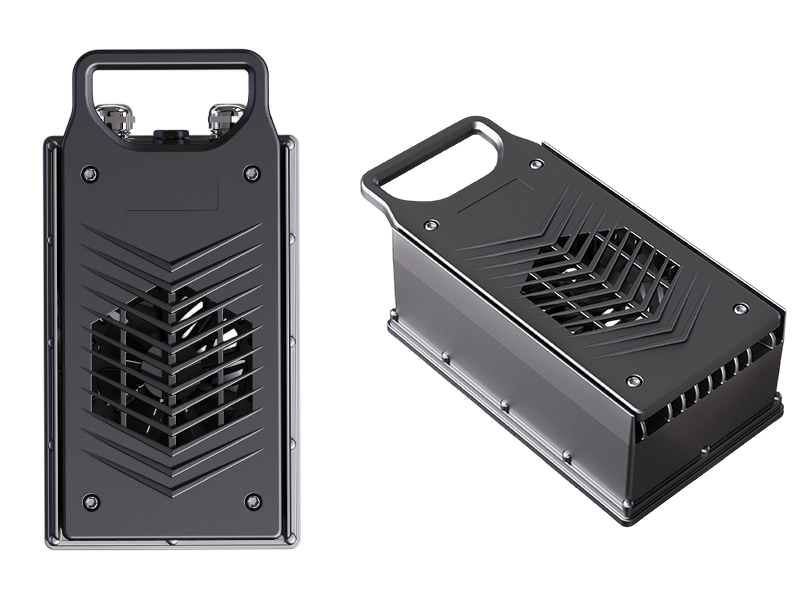
For portable energy storage systems used for camping or emergency backup, chargers must be rugged and weather resistant. IP54 or higher sealing protects against dust and water spray. Output current of 5 to 10 amperes balances charging speed with the capacity of portable power stations. Chargers should operate from generator power as well as grid power, with wide input voltage tolerance to accommodate generator voltage fluctuations. For outdoor use, chargers with integrated handles and cable storage simplify transport and setup.
For electric lawn mowers and garden equipment, 48V and 52V fast chargers must withstand outdoor conditions including dust, moisture, and temperature extremes. IP65 sealing is required for garden equipment that may be used in wet grass or washed down with hoses. Output current of 8 to 10 amperes provides fast turnaround between mowing jobs. For commercial landscaping fleets, chargers are often designed for wall mounting in garages or workshops. Dpower offers IP67 sealed fast chargers for outdoor applications with enhanced corrosion protection and wide operating temperature range.
Can I use a 48V fast charger on a 52V battery or vice versa?
Using a 48V charger on a 52V battery will result in chronic undercharging because the 48V charger outputs 54.6V maximum while a 52V battery requires 58.8V for full charge. The battery will only reach approximately 80 percent of its capacity, and repeated undercharging causes cell imbalance over time. Using a 52V charger on a 48V battery risks overvoltage that can trigger battery management system protection or cause cell damage. The 48V and 52V Lithium Battery Charger For Fast Charging from Wuxi Dpower Electronic integrates intelligent voltage identification that automatically detects connected battery voltage and adjusts output accordingly, eliminating manual configuration errors.
Does 10A fast charging damage the lithium battery's lifespan?
The relationship between charging current and battery longevity depends on the battery's rated charge rate and the charger's termination methodology. For a 48V20Ah battery, 10 amperes represents a 0.5C charge rate, which is moderate and well within safe operating limits for modern lithium ion cells. Damage occurs when high current continues into the saturation phase without proper current tapering. The three stage intelligent charging curve with automatic transition to trickle maintenance mode at 90 percent state of charge mitigates degradation mechanisms, extending cycle life by over 30 percent compared to conventional constant current chargers. For batteries smaller than 20 ampere hours, reduce charge current or use a lower amperage charger.
What safety certifications should a quality 48V fast charger possess?
Comprehensive quality certification for fast chargers typically includes IEC 62133 for secondary lithium cell safety, UL 2580 for electric vehicle battery pack integrity, and UN DOT 38.3 for transportation safety testing. For European markets, CE marking indicates conformity with health and safety standards. RoHS compliance restricts hazardous substances in manufacturing. The nine layer protection system in the 48V and 52V fast charger exceeds baseline certification requirements, providing redundant safety margins for critical applications including overvoltage, overcurrent, overtemperature, short circuit, reverse polarity, overcharge, undervoltage, lightning surge, and electrostatic discharge protection.
How much electricity does a 48V fast charger consume when not actively charging?
Advanced switching power technology achieves 0.3 watt standby power consumption, approximately 70 percent below the national Level 1 efficiency standard threshold of 1 watt. For a typical residential user, this translates to annual standby energy usage of 2.6 kilowatt hours, generating cost savings of 15 to 40 RMB annually depending on local electricity rates. For commercial fleet operators managing hundreds of charging stations, these efficiencies compound into substantial operational cost reductions while supporting corporate sustainability objectives. Conventional chargers often draw 1 to 3 watts continuously when idle, resulting in annual waste of 8.7 to 26.3 kilowatt hours per unit.
What charging time should I expect for a 48V 20Ah battery with a 10A fast charger?
Total charging time for a depleted 48V20Ah battery typically reaches 2.5 hours. The constant current fast charge stage from 0 to 80 percent state of charge takes approximately 1.6 hours at 10 amperes. The constant voltage equalization stage from 80 to 90 percent takes approximately 0.6 hours as current tapers. The trickle maintenance mode from 90 to 100 percent takes approximately 0.3 hours at micro current. This compares to 4 to 6 hours for standard 3 to 5 ampere chargers. The extended absorption and saturation phases, while adding time, are essential for cell balancing and capacity maximization. Terminating charging immediately upon reaching bulk phase limits usable capacity and accelerates cell degradation through imbalance accumulation.
1. IEC 62133-2:2021. Secondary cells and batteries containing alkaline or other non-acid electrolytes - Safety requirements for portable sealed secondary cells. International Electrotechnical Commission.
2. UL 2271:2022. Standard for Batteries for Use in Light Electric Vehicle Applications. Underwriters Laboratories.
3. EN 15194:2017. Cycles - Electrically power assisted cycles - EPAC Bicycles. European Committee for Standardization.
4. UN DOT 38.3:2023. Recommendations on the Transport of Dangerous Goods - Manual of Tests and Criteria. United Nations.
5. GB/T 36972-2018. Safety requirements for lithium-ion batteries for electric bicycles. Standardization Administration of China.

 No.18-9 Zhang Hong Road ,Huishan District,Yanqiao Street,Wuxi City,Jiangsu Province,China
 +86-510-83138966
 [email protected]
TALK TO US
Copyright © Wuxi Dpower Electronic Co., Ltd. All Rights
Reserved.
Custom Smart Lithium Battery Charger Manufacturer