E-Wheelchair Battery Charger: Advanced Charging Solutions for Enhanced Mobility Independence
The Critical Role of E-Wheelchair Battery Chargers in Healthcare Mobility
The global powered wheelchair market has evolved significantly, driven by aging demographics and assistive technology advancement. At the core of these systems lies the E-Wheelchair Battery Charger, directly impacting user independence and device reliability. Electric wheelchairs typically utilize 24V configurations, though premium models employ 36V or 48V systems. Charging infrastructure must accommodate sealed lead-acid (SLA), lithium-ion (Li-ion), and lithium iron phosphate (LiFePO4) chemistries, each with unique characteristics.
Evolution to Smart Charging Technology
Traditional chargers operated on simple constant-current principles. Contemporary E-Wheelchair Battery Charger designs incorporate microprocessor-controlled algorithms and adaptive safety protocols.
- Precision Voltage Regulation: Maintains output within plus or minus 0.5% tolerance to prevent overcharging stress
- Temperature-Compensated Charging: Adjusts voltage based on ambient temperature for outdoor storage scenarios
- Battery Chemistry Recognition: Automatically detects battery types and selects appropriate charging profiles
- Charge Cycle Logging: Tracks history to predict maintenance requirements and optimize replacement scheduling
Technical Specifications and Performance Parameters
Professional-grade chargers distinguish themselves through medical device standards adherence and healthcare-specific requirements.
Electrical Characteristics and Safety Compliance
| Parameter |
24V System |
36V System |
48V System |
| Maximum Charge Voltage |
29.2V (LiFePO4) / 29.4V (SLA) |
42.0V (Li-ion) / 43.8V (SLA) |
54.6V (Li-ion) / 58.4V (LiFePO4) |
| Standard Charge Current |
2A to 8A |
3A to 10A |
4A to 12A |
| Efficiency Rating |
Greater than 90% |
Greater than 91% |
Greater than 92% |
| Operating Temperature |
0 to 40 degrees Celsius |
0 to 40 degrees Celsius |
Negative 10 to 45 degrees Celsius |
Mechanical Design and Environmental Adaptability
- IP54 Enclosure Rating: Protection against dust and water splashes for bathroom-adjacent locations
- Drop Resistance: Survival of 1-meter falls without safety compromise
- Chemical Resistance: Withstands common disinfectants, including alcohol-based solutions
- Silent Operation: Fanless designs eliminate noise in residential care environments
- Universal Voltage Input: 100-240V AC compatibility for international use
Battery Chemistry Considerations
The transition from SLA to lithium-based chemistries has transformed E-Wheelchair Battery Charger design requirements.
Lithium-Ion and LiFePO4 Management
| Characteristic |
Li-ion (NMC/NCA) |
LiFePO4 (LFP) |
| Full Charge Voltage |
4.2V per cell |
3.65V per cell |
| Recommended Charge Rate |
0.3C to 0.5C |
0.5C to 1.0C |
| Trickle Charging |
Not recommended |
Acceptable for maintenance |
| Cycle Life |
500 to 1000 cycles |
2000 to 5000 cycles |
Advanced chargers communicate with battery management systems (BMS) through standard interfaces, adapting parameters dynamically and suspending operation if anomalies are detected.
User Experience and Accessibility Design
Wheelchair users present diverse capabilities that charger design must accommodate.
- Magnetic Alignment Systems: Self-aligning connectors are beneficial for users with tremors or limited fine motor control
- Tactile Feedback: Audible clicks confirming proper connection for users with limited sensation
- High-Contrast Indicators: Color-blind accessible LED displays (blue/white/yellow) visible from across rooms
- Lightweight Cables: Flexible assemblies that do not exert leverage forces on wheelchair frames
- Single-Handed Operation: Release mechanisms operable with limited grip strength
Regulatory Compliance and Quality Assurance
Medical device chargers must satisfy complex regulatory requirements:
- IEC 60601-1: Medical electrical equipment safety, including isolation and leakage current limits
- UN 38.3: Transportation testing mandatory for air freight and international shipping
- CE Marking (MDR 2017/745): European medical device regulation compliance
- ISO 13485: Quality management system certification for medical device manufacturing
Operational Best Practices
Maximizing battery life requires adherence to established protocols.
- Partial Discharge Cycles: Recharge lithium batteries at 20-30% capacity rather than full depletion
- Storage Preparation: Maintain approximately 50% charge in cool, dry environments for extended periods
- Temperature Awareness: Avoid charging below 0 degrees Celsius to prevent lithium plating damage
FAQ
Can I use any 24V battery charger for my electric wheelchair?
Using non-specialized chargers presents significant risks. Generic units lack battery chemistry recognition, may apply inappropriate voltages, and fail to communicate with wheelchair BMS systems. Medical device regulations require specific isolation and electromagnetic compatibility standards that consumer chargers do not satisfy. The E-Wheelchair Battery Charge, designed for mobility applications, ns incorporates wheelchair-specific connectors, BMS communication, and medical safety certifications essential for warranty protection and safe operation.
How do I know if my battery needs replacement or better charging?
Declining range, slower acceleration, or inability to manage previous inclines indicate capacity loss. Diagnostic procedures include measuring voltage after charging (should reach specified levels within 0.2V) and observing voltage under load (should not drop more than 10%). Professional testing provides definitive measurements. Replacement is typically needed when capacity falls below 80% the rated specification. Lead-acid batteries last 12-18 months under heavy use; lithium batteries provide 3-5 years with proper charging equipment.
Is it safe to leave my wheelchair plugged in overnight?
Modern medical-grade E-Wheelchair Battery Charger units make overnight charging safe through automatic termination, maintenance mode transition, temperature monitoring, and duration limits. Safety depends on environmental factors: place chargers on hard, non-flammable surfaces with adequate ventilation, away from combustible materials. Avoid charging above 35 degrees Celsius or covering chargers during operation. Verify medical device certifications (IEC 60601-1, UL listing), indicating appropriate safety margins for unattended operation.
What is the difference between on-board and off-board chargers?
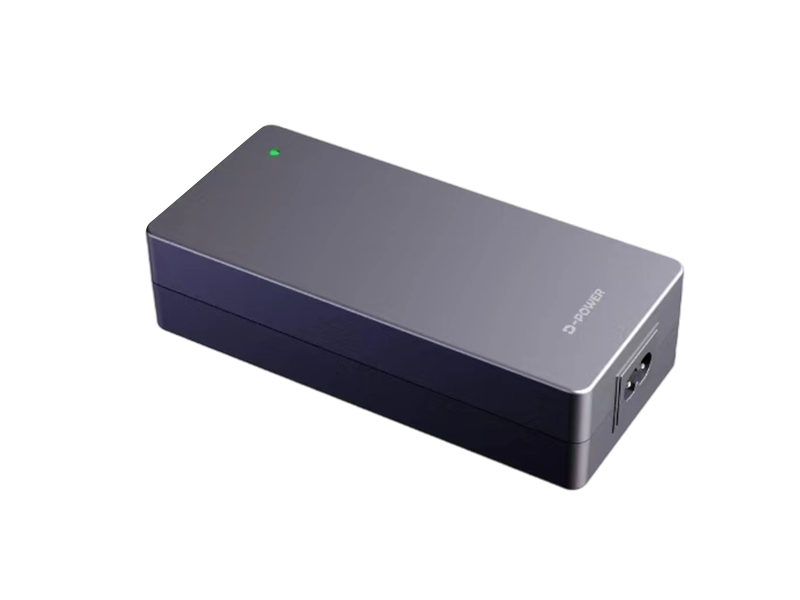
On-board chargers integrate permanently into wheelchairs, requiring only an AC power connection. They offer convenience for consistent home charging but typically feature lower power (2-5A) and longer charging times (8-12 hours). Off-board chargers remain external, connecting through charging ports when needed. They provide higher currents (5-12A) for faster replenishment (3-5 hours) and can be replaced independently of wheelchair electronics. Many modern systems support both configurations.
Why does my charger get hot, and when should I be concerned?
Moderate warming (40-50 degrees Celsius) during charging is normal. Concern emerges when chargers exceed 60 degrees Celsius, emit unusual odors, or trigger thermal shutdowns. Excessive heating indicates undersizing, ventilation obstruction, or component degradation. Ensure hard surface placement with 10cm clearance, avoid covering chargers, and verify current ratings match battery specifications. Quality E-Wheelchair Battery Charger designs incorporate thermal management and protective shutdown circuits, preventing dangerous temperature excursions.
Can I charge my wheelchair while traveling internationally?
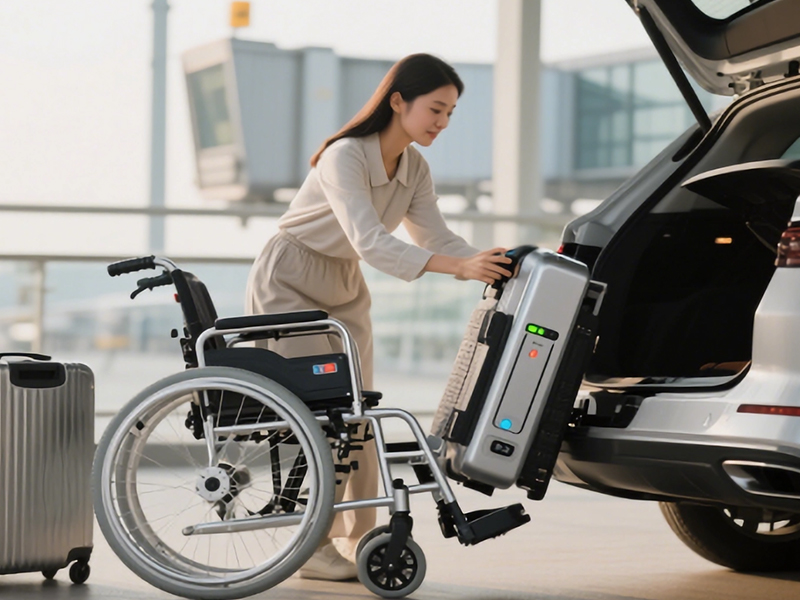
Automotive charging requires pure sine wave inverters rated at least 25% above charger power consumption to avoid damaging power factor correction circuits. International travel requires voltage compatibility: most quality chargers accept 100-240V universal input, accommodating global standards through automatic switching. Physical plug adapters remain necessary. Air travel requires adherence to lithium battery restrictions; carry documentation of battery chemistry and charger safety certifications. Consult specific airline policies and IATA regulations before travel.


 English
  Español




 Watch Our Video


 No.18-9 Zhang Hong Road ,Huishan District,Yanqiao Street,Wuxi City,Jiangsu Province,China
 +86-510-83138966
