Optimizing Fleet Performance with the Right Electric Golf Cart Battery Charger
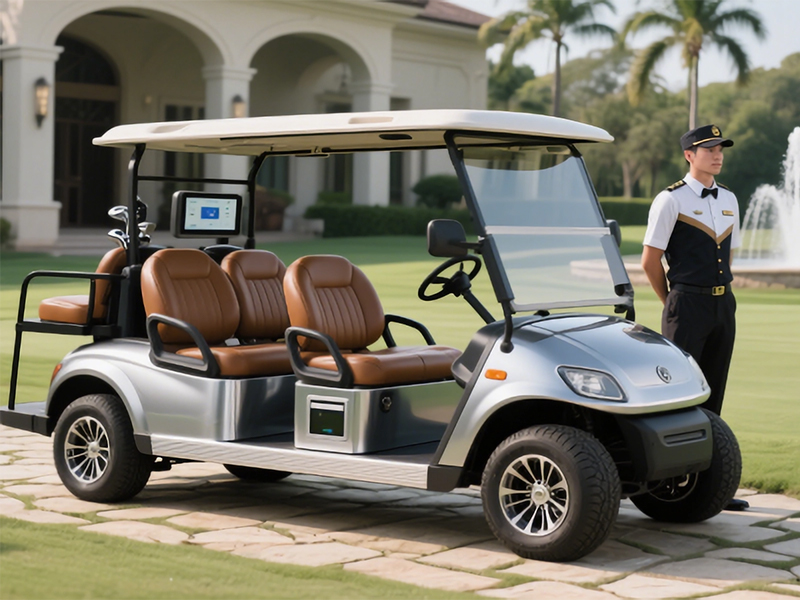
In the realm of golf course management and recreational vehicle maintenance, the reliability of the fleet is paramount. The transition from lead-acid to lithium-ion technology has revolutionized how these vehicles operate, offering lighter weights and longer lifespans. However, the efficiency of these vehicles is intrinsically linked to the quality of their power source. A high-performance Electric Golf Cart Battery Charger is not merely an accessory; it is a critical component that dictates the operational readiness and longevity of the entire fleet. Selecting the appropriate charging solution ensures that vehicles are always ready for the next round, minimizing downtime and maximizing productivity on the course.
Understanding Voltage Requirements and Lithium Compatibility
Modern golf carts typically operate on 48V or 72V systems, necessitating a robust power supply that can handle significant energy transfers. Unlike older lead-acid models, modern lithium-based carts require a precise Constant Current/Constant Voltage (CC/CV) charging profile. A dedicated Electric Golf Cart Battery Charger designed for lithium chemistries ensures that each cell within the battery pack is balanced and charged to its optimal capacity without the risk of overcharging. This precision is vital for maintaining the health of the Battery Management System (BMS) and ensuring the safety of the vehicle during operation.
- Voltage Matching: Ensuring the charger's output voltage aligns perfectly with the cart's battery pack (e.g., nominal 48V or 72V).
- CC/CV Charging Curve: Optimized profiles that protect lithium cells and extend cycle life compared to legacy charging methods.
- BMS Communication: Handshake protocols that allow the charger to communicate directly with the battery for safety and status updates.
The Importance of Durability in Outdoor Environments
Golf courses and resorts present unique environmental challenges, from high humidity and salt air in coastal regions to dust and vibration on rugged terrain. A commercial-grade Electric Golf Cart Battery Charger must be engineered to withstand these harsh conditions. Manufacturers prioritize ruggedized enclosures, often rated with high Ingress Protection (IP) ratings, to shield sensitive electronics from moisture and debris. This durability translates to a lower total cost of ownership, as the equipment requires less frequent replacement and maintains consistent performance even in adverse weather conditions.
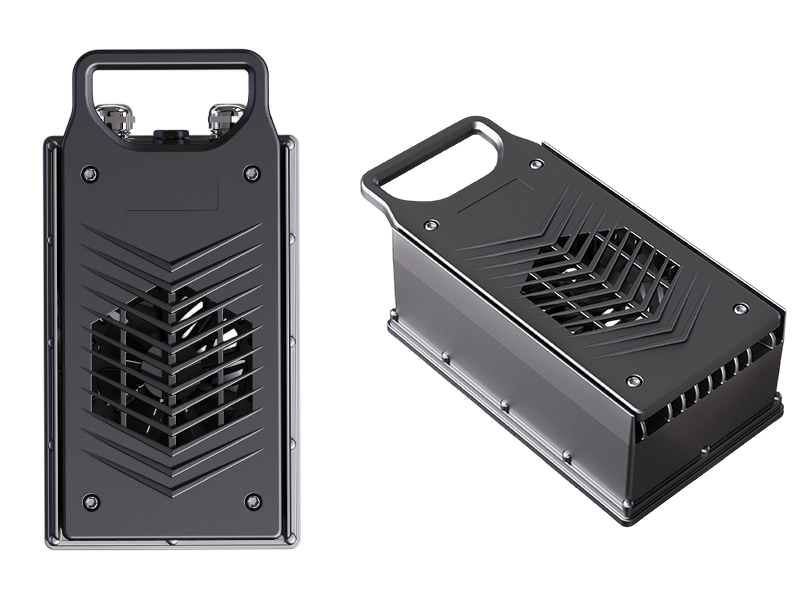
Beyond environmental sealing, thermal management is a critical factor. High-power charging generates heat, and without an effective cooling strategy, charger efficiency can drop, leading to longer charge times. Advanced designs incorporate intelligent fan speed control or convection cooling to maintain optimal operating temperatures without introducing noise pollution, preserving the peaceful atmosphere of the golf course.
- Weather Resistance: IP ratings (e.g., IP65 or higher) to protect against rain and dust ingress.
- Thermal Management: Smart cooling systems that activate only when necessary to extend fan life and reduce noise.
- Vibration Damping: Internal structural designs that secure components against the shocks encountered in utility vehicles.
Comparing On-Board and Off-Board Charging Solutions
When specifying a power solution for a fleet, the decision between an on-board and an off-board Electric Golf Cart Battery Charger is pivotal. On-board chargers are integrated directly into the vehicle's chassis, offering the convenience of plugging into any standard AC outlet. This eliminates the need for a dedicated charging room and allows for flexible charging locations. However, the added weight of the charger can slightly reduce the vehicle's range and payload capacity.
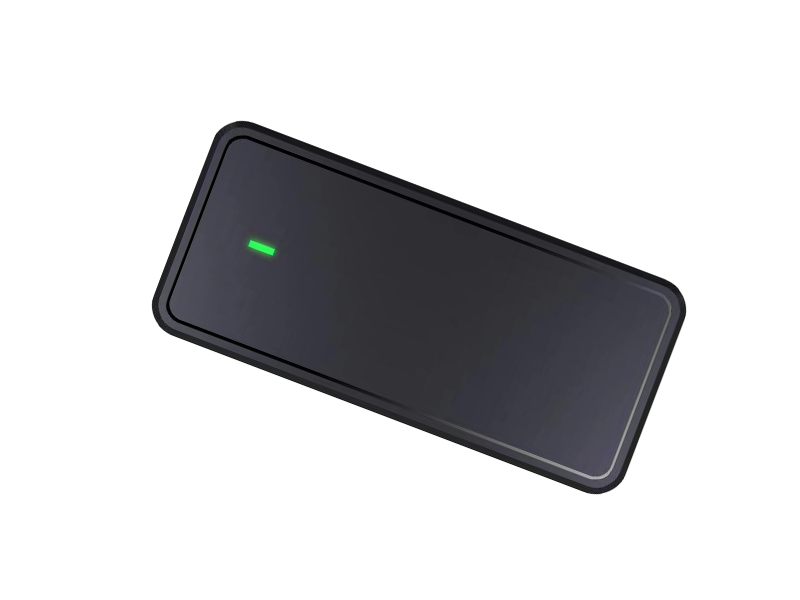
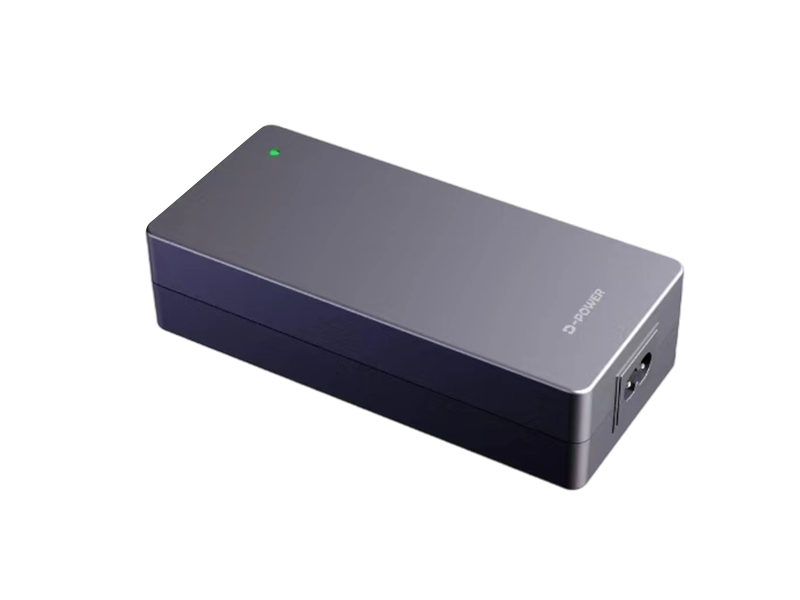
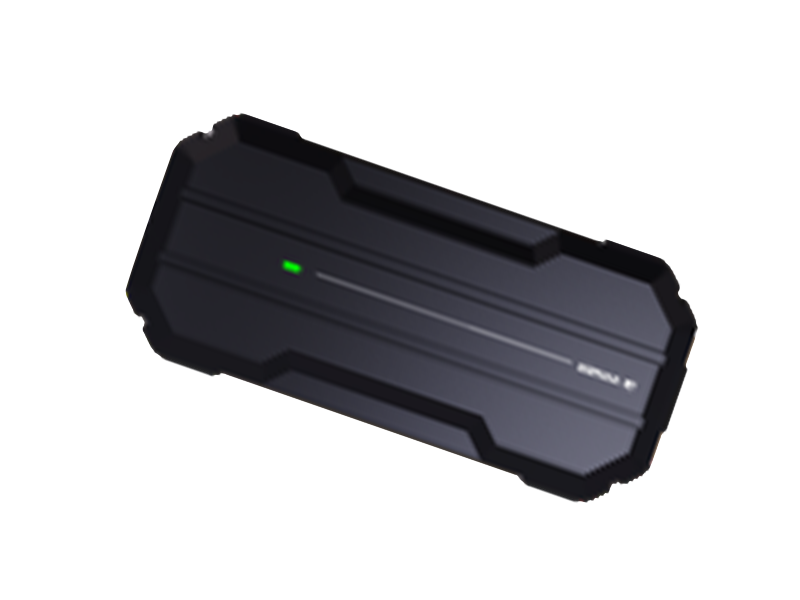
In contrast, off-board chargers are standalone units typically mounted on walls or pedestals in a charging depot. Because they are not constrained by the vehicle's size or weight limitations, they can offer higher amperage output, resulting in significantly faster charging times. This makes off-board solutions ideal for commercial fleets where rapid turnaround between shifts is a priority. Choosing the right configuration depends on the specific operational flow of the facility and the desired balance between convenience and charging speed.
| Feature |
On-Board Charger |
Off-Board Charger |
| Portability |
Integrated into the vehicle; charge anywhere with AC access. |
Fixed location; requires returning to a specific depot. |
| Charging Speed |
Typically slower due to size and thermal constraints. |
High-speed charging capability due to robust cooling systems. |
| Vehicle Weight |
Adds weight to the cart, potentially affecting range. |
Zero weight is added to the vehicle during operation. |
| Maintenance |
Requires vehicle downtime for service or replacement. |
Easier to service or replace without affecting the vehicle. |
Advanced Communication Protocols for Smart Charging
As golf carts evolve into smart vehicles with displays and telematics, the Electric Golf Cart Battery Charger must evolve as well. Supporting communication protocols such as CAN BUS allows the charger to transmit real-time data to the vehicle's dashboard and the fleet management system. This connectivity provides operators with immediate visibility into the state of charge, battery health, and potential fault codes. By leveraging these protocols, fleet managers can proactively address maintenance issues before they lead to vehicle failure, ensuring a seamless experience for users.
- CAN BUS Integration: Standardized communication for seamless integration with the vehicle's control network.
- Data Logging: Tracking charging history and battery performance metrics for lifecycle analysis.
- Remote Diagnostics: Ability to identify charging faults remotely, reducing the need for manual inspections.
FAQ
Can I use a standard car battery charger on my golf cart?
No, using a standard car battery charger is not recommended. A standard automotive charger is designed for 12V lead-acid starting batteries and lacks the specific voltage regulation required for a 48V or 72V deep-cycle system. A specialized Electric Golf Cart Battery Charger is calibrated to match the voltage and chemistry of the golf cart's battery pack. Using the wrong charger can result in undercharging, overcharging, or permanent damage to the battery cells and the Battery Management System.
How do I know if my Electric Golf Cart Battery Charger is working correctly?
Most modern chargers feature LED indicators or digital displays that provide status updates. A functioning Electric Golf Cart Battery Charger will typically show a sequence of lights (e.g., blinking during charging, solid when fully charged) or a percentage readout. If the charger fails to initiate, overheats rapidly, or trips the AC breaker, it may indicate an internal fault or a battery issue. Advanced chargers with communication protocols can also relay detailed error codes to the vehicle's display for precise troubleshooting.
Does a lithium golf cart require a specific charger?
Yes, lithium batteries require a charger specifically designed for their chemistry. Unlike lead-acid batteries, lithium-ion batteries require a precise charging algorithm (CC/CV) and must cut off charging immediately when the voltage limit is reached. A dedicated Electric Golf Cart Battery Charger for lithium batteries ensures that the voltage and current curves are strictly adhered to, preventing safety hazards and optimizing the battery's lifespan. Using a lead-acid charger on a lithium battery can lead to overcharging and potential fire risks.


 English
  Español




 Watch Our Video


 No.18-9 Zhang Hong Road ,Huishan District,Yanqiao Street,Wuxi City,Jiangsu Province,China
 +86-510-83138966
